 NFC OPERATIONS
NFC technology is being used at a Tokyo design exhibition to give visitors access to information about materials, manufacturing and craftsmanship directly from physical objects.
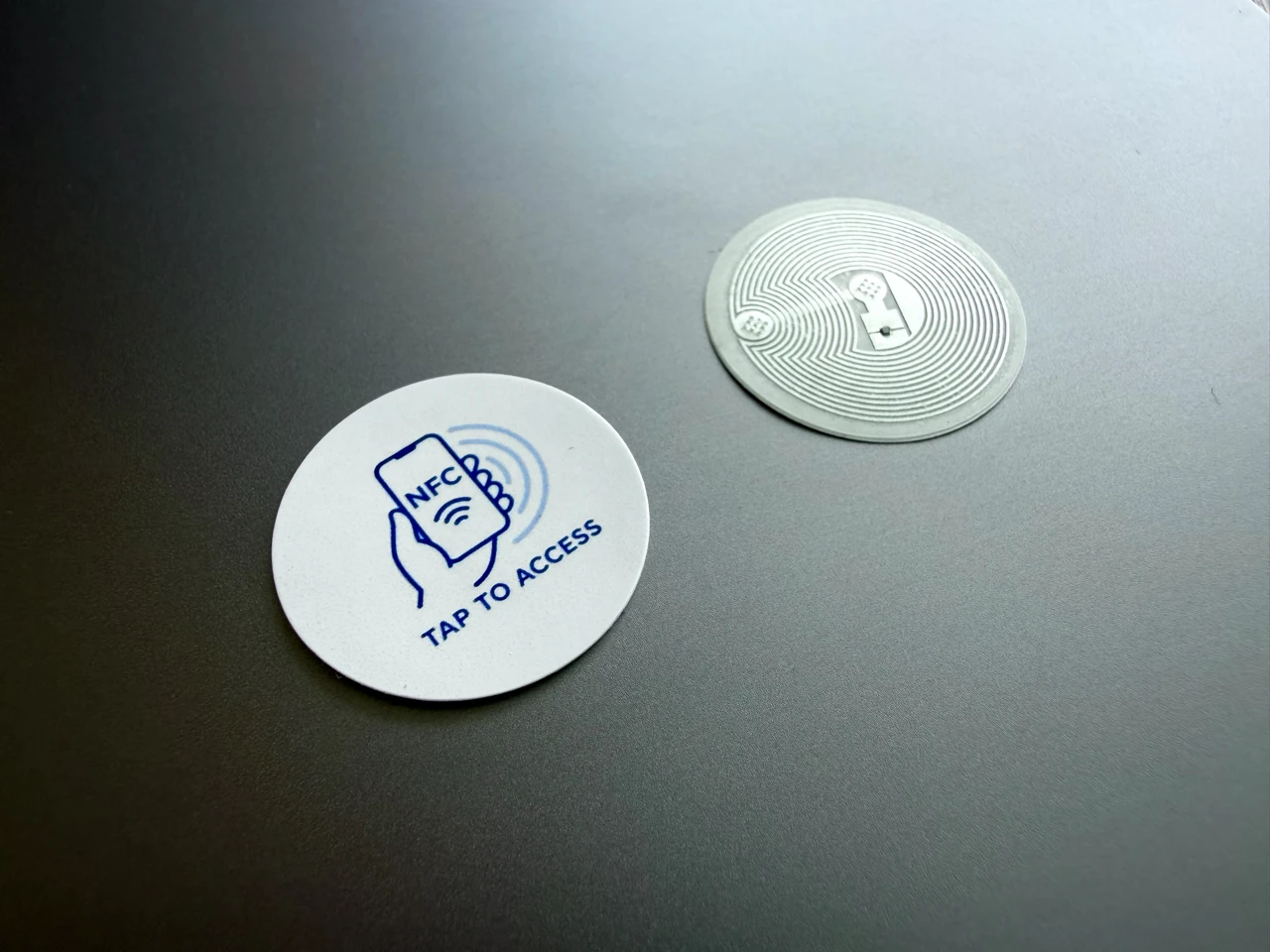
At alter. 2026, Tokyo, the Bole project features wooden stools equipped with NFC labels. Visitors can use compatible smartphones to access digital information about the timber's origins, production process and the people involved.
The exhibition opened on October 29, 2026, and runs through November 1. The NFC application was detailed in an October 30 announcement from SATO, a Japanese identification technology company.
NFC Labels Add Digital Information to Physical Exhibits
The Bole project explores the relationship between Japanese forests, traditional materials and contemporary furniture design. Its exhibition includes wooden stools developed from Yoshino cedar, with NFC labels providing access to additional background information.
Instead of relying entirely on printed descriptions, visitors can access more detailed content through their smartphones. This approach allows exhibition organizers to provide information that would be difficult to fit on a conventional product or display label.
The concept is particularly relevant to galleries, museums, furniture designers and independent brands that want to communicate the history or craftsmanship behind their products.
Practical Uses for NFC in Exhibitions and Retail
The Tokyo exhibition demonstrates a wider application of NFC: connecting physical products and displays to relevant online information at the moment visitors encounter them.
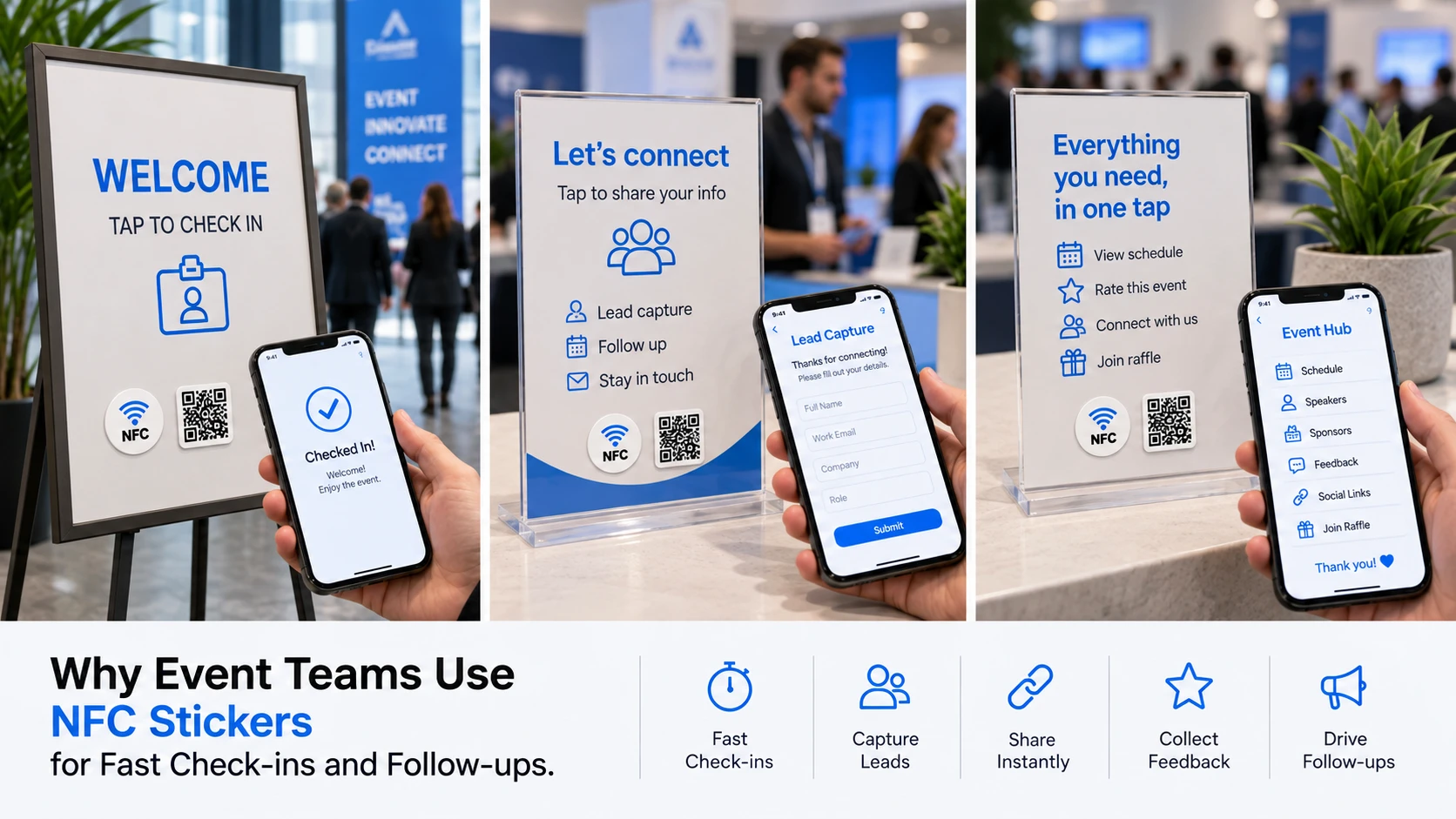
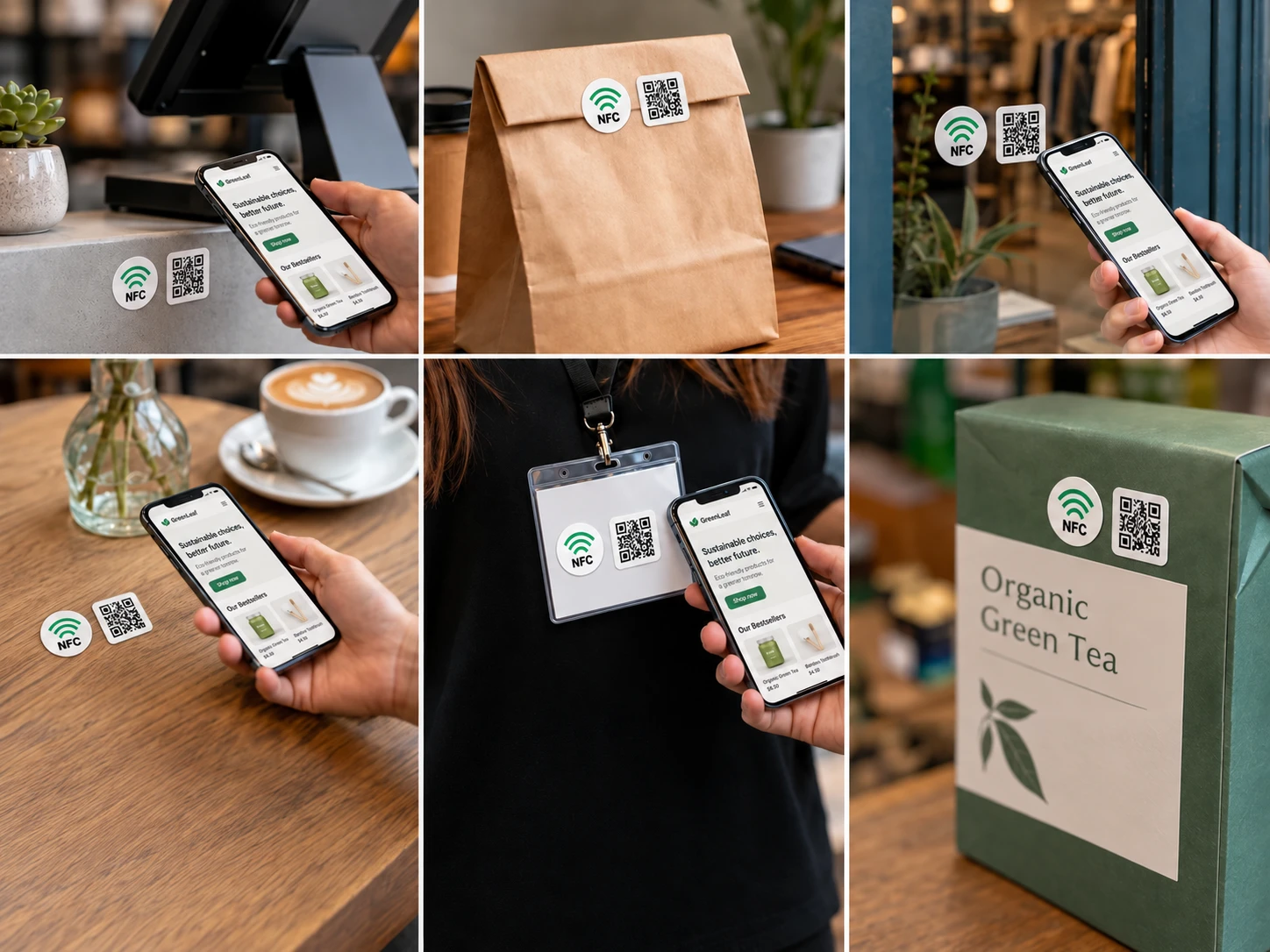
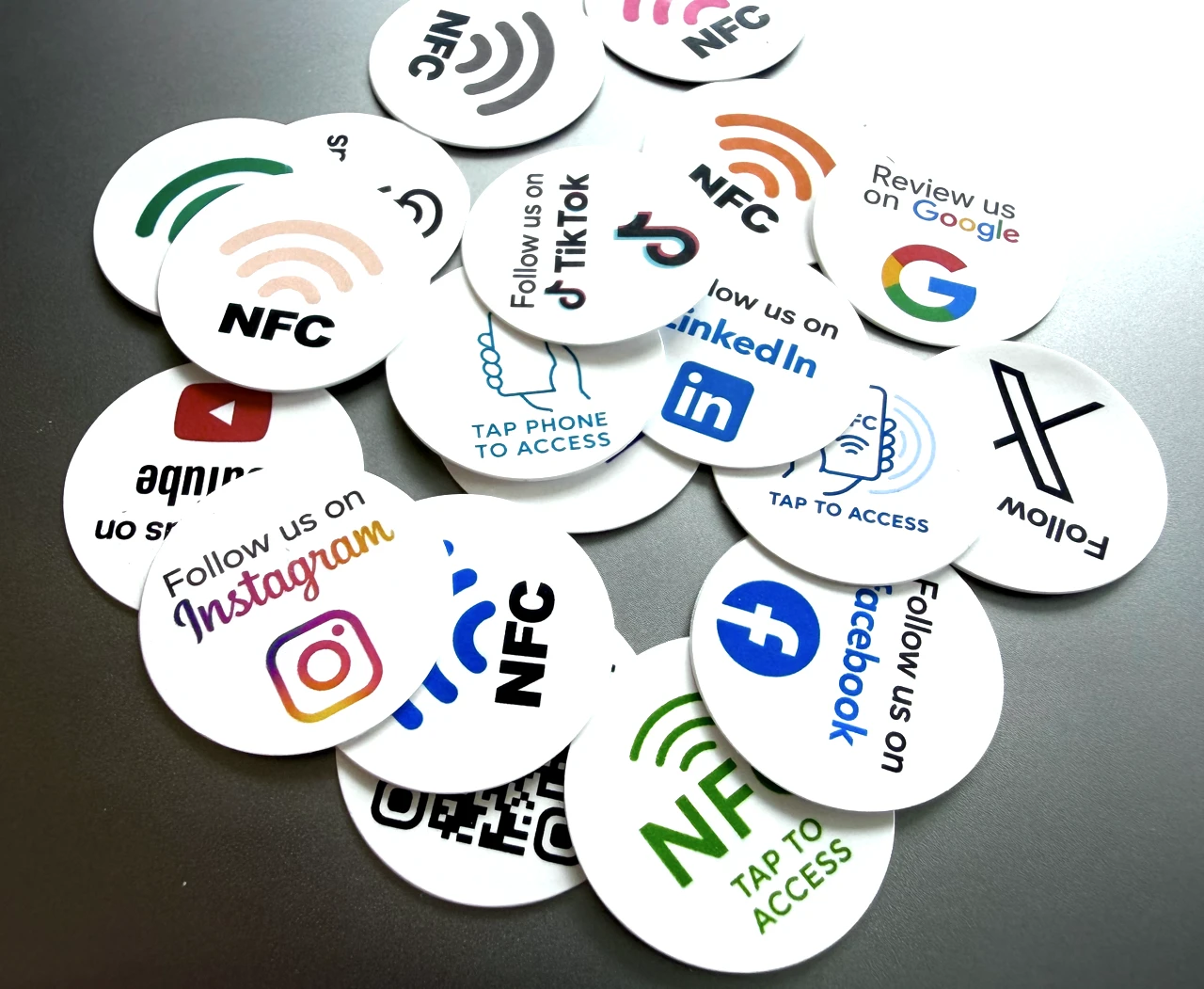
Businesses can apply a similar approach using NFC stickers that open ordinary web URLs. Examples include:
- Art galleries: Display labels linking to artist biographies, artwork descriptions or exhibition guides.
- Furniture showrooms: Product displays linking to material details, manufacturing processes or care instructions.
- Craft markets: NFC stickers linking to maker profiles, portfolios or product information.
- Retail stores: Product signs linking to demonstrations, detailed specifications or online product pages.
- Trade exhibitions: Booth signs linking to digital catalogs, presentation materials or contact forms.
These applications do not necessarily require a dedicated mobile app. A standard webpage can provide the information, while an NFC sticker serves as the physical access point.
Why NFC and QR Codes Work Well Together
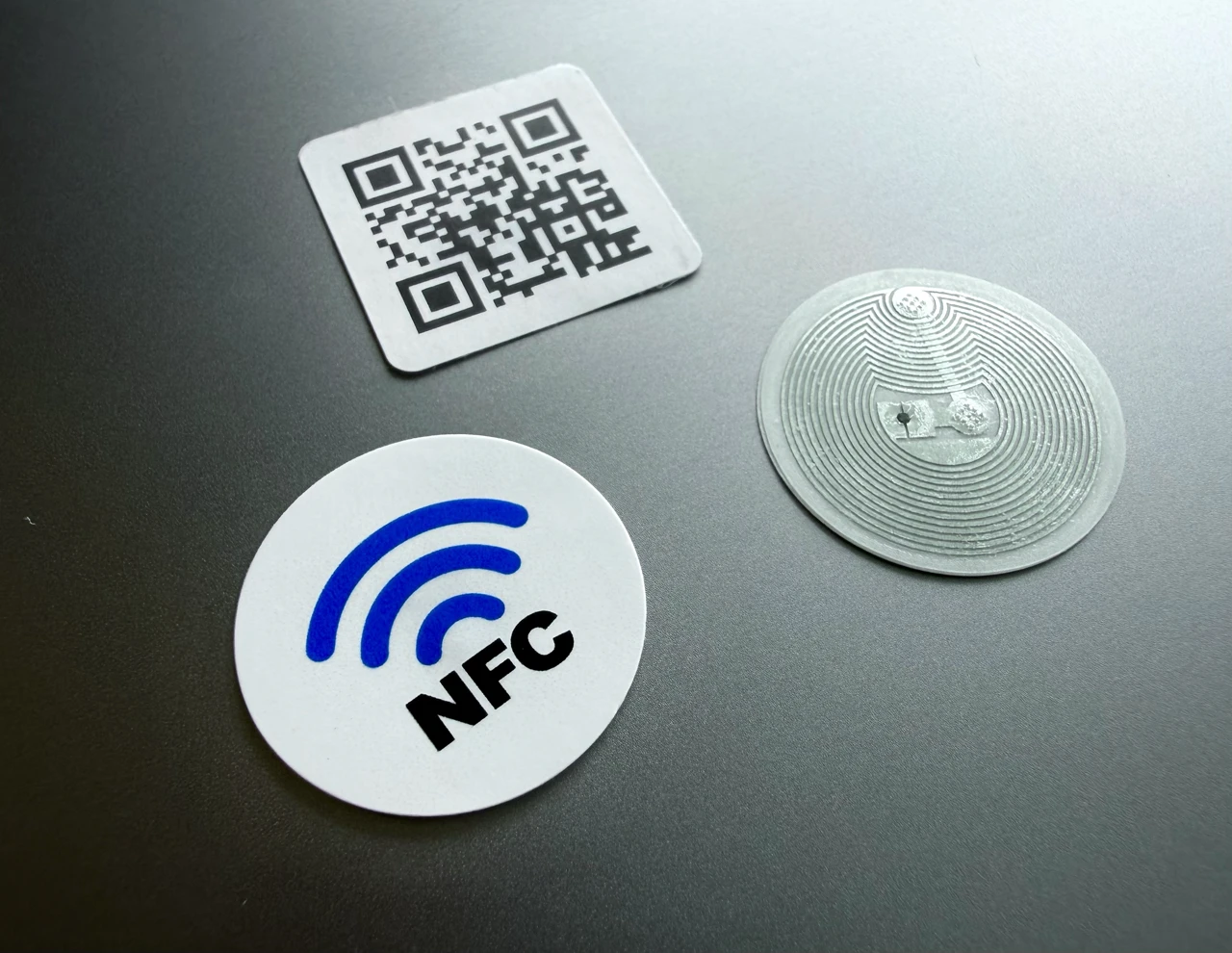
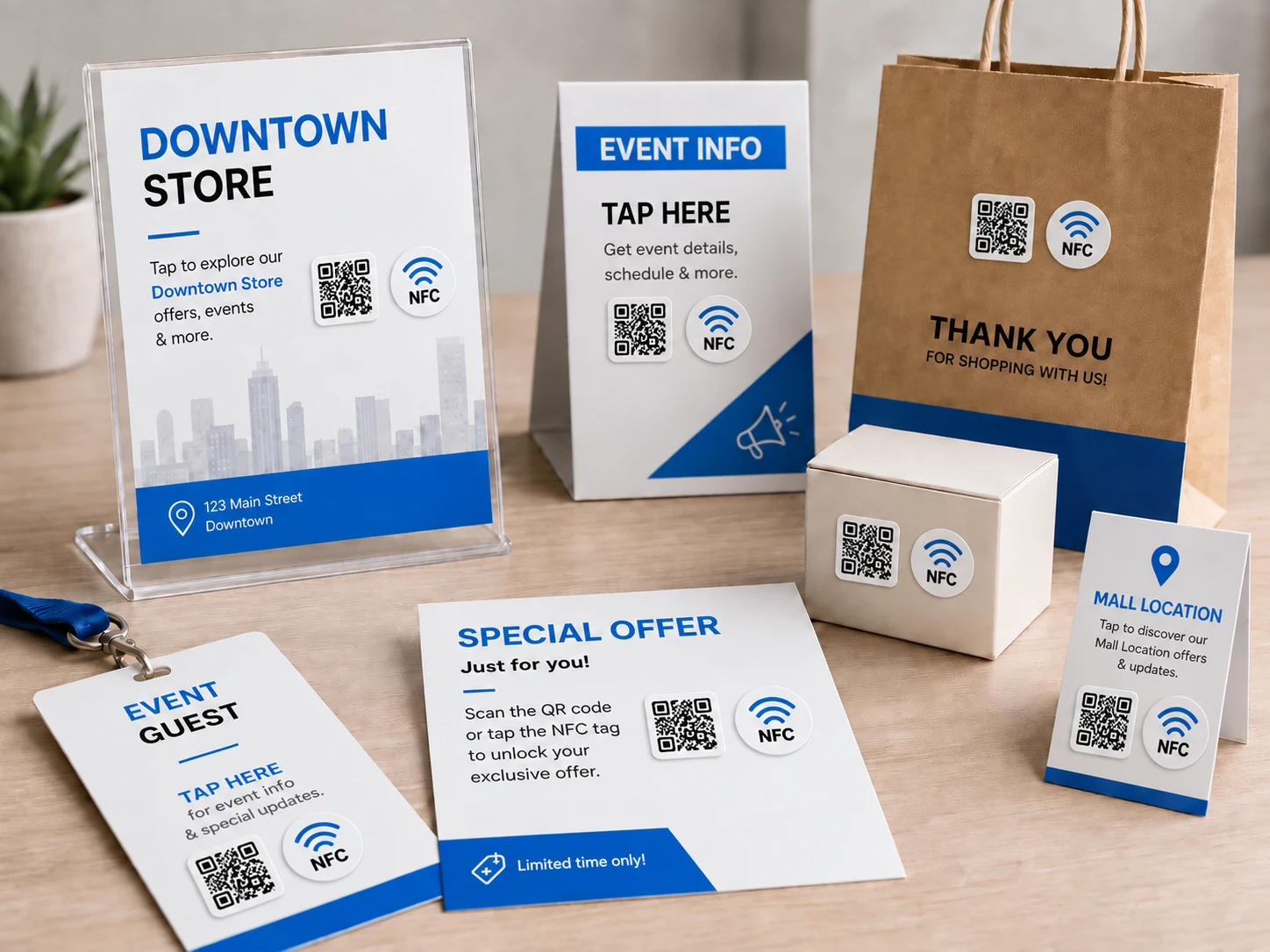
NFC allows compatible smartphones to open a programmed destination when tapped near a tag. QR Codes offer another way to reach the same information using a phone camera.
Providing both options helps businesses accommodate different devices and user preferences.
For example, an exhibition sign could display the instruction "Tap or Scan to Learn More." Both methods would lead visitors to the same mobile-friendly page containing information about the displayed object.
This approach can also be useful for connected product packaging, where customers may need access to product instructions, warranty information or support resources after purchase.
How Businesses Can Create Similar Experiences
Businesses interested in adding digital information to their physical displays can start with a simple process:
- Create a mobile-friendly webpage with the relevant product, exhibition or business information.
- Choose a suitable location for the NFC and QR Code stickers, such as a display sign, product tag or information panel.
- Connect the NFC and QR Code stickers to the selected destination URL.
- Test the tap-and-scan experience before making the display available to visitors.
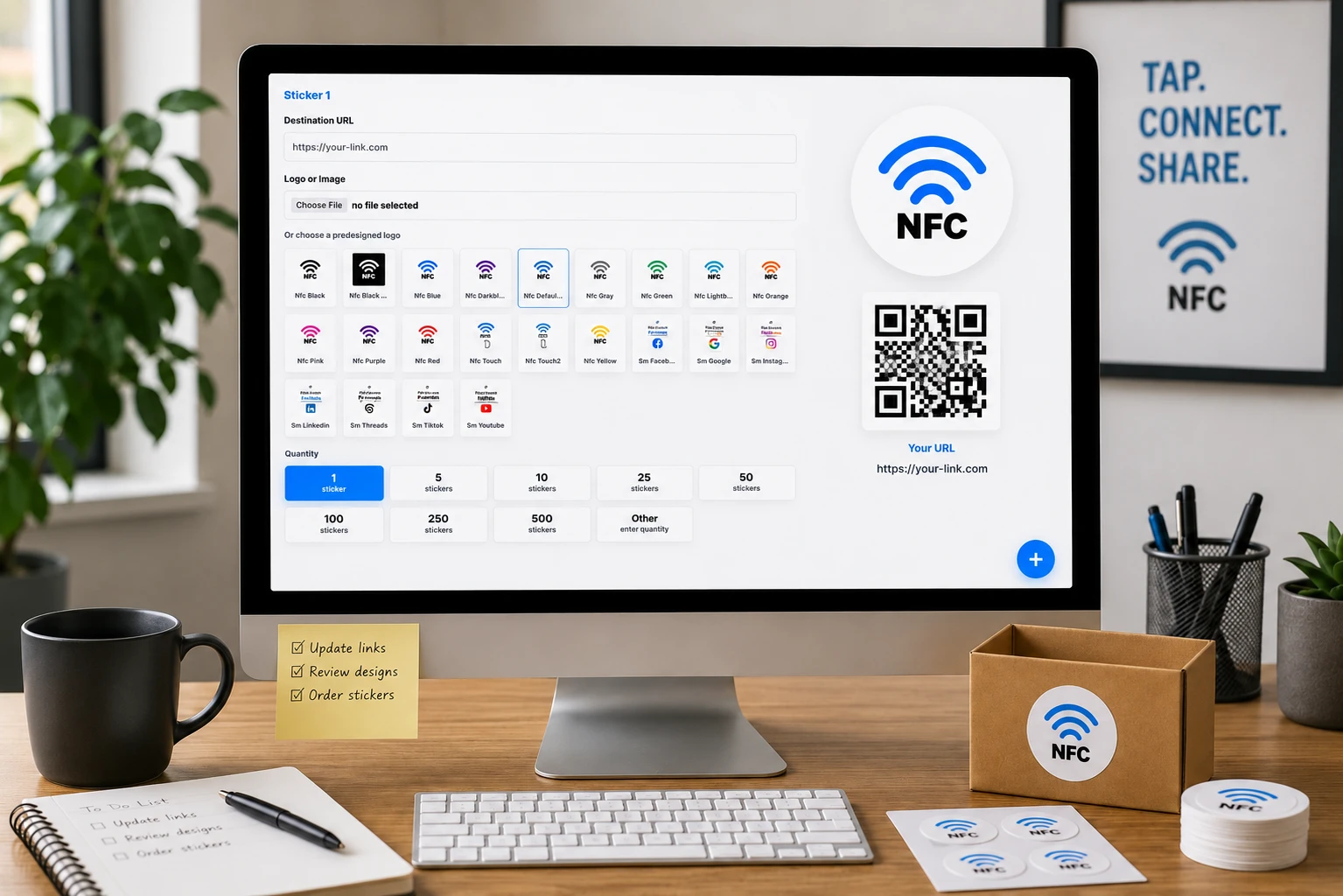
NFCOP provides custom printed NFC URL stickers with matching QR Code stickers. Customers select their designs and destination URLs, and the NFC stickers arrive pre-encoded and ready for placement.
Optional Dynamic URLs allow businesses to change linked destinations later and access supported usage statistics without replacing the physical stickers. More information about compatibility and available options is provided in the NFCOP FAQ.
These stickers provide access to linked webpages. They do not independently verify material origins, authenticate products or perform specialist supply-chain tracking.
A Practical Direction for Connected Displays
The NFC application at alter. 2026, Tokyo illustrates how digital information can complement physical exhibitions without adding lengthy printed descriptions to each display.
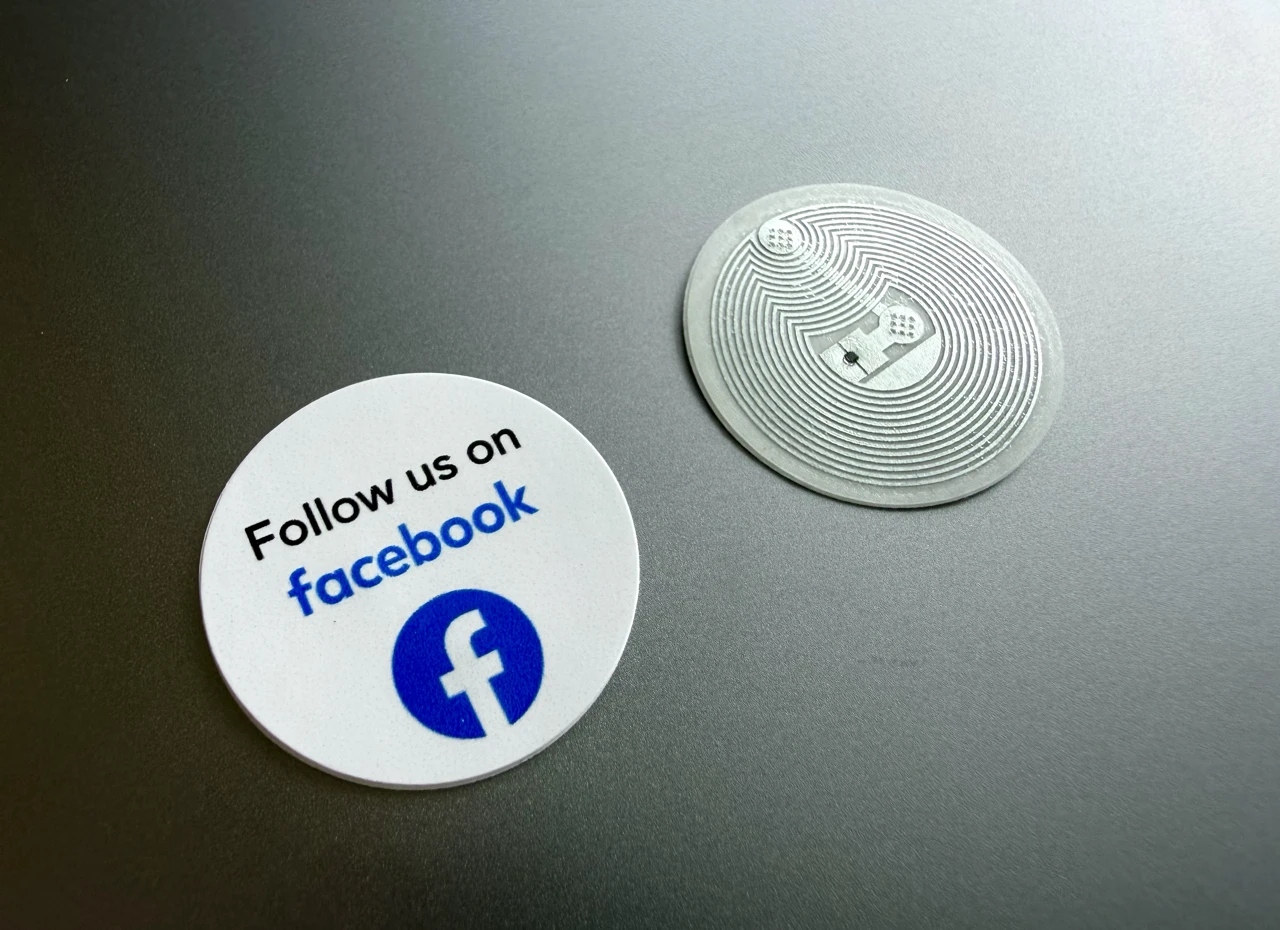
For galleries, retailers and product brands, URL-based NFC and QR Code stickers offer a straightforward way to connect visitors with information already available online.
Businesses planning similar displays can explore NFCOP's custom NFC and QR Code stickers to create branded, ready-to-use physical links.