 NFC OPERATIONS
At a hotel reception desk, travelers often ask the same questions: What is worth seeing nearby? Where should we go next? A Japanese tourism project is preparing to make those decisions easier by putting digital experiences directly into physical locations.
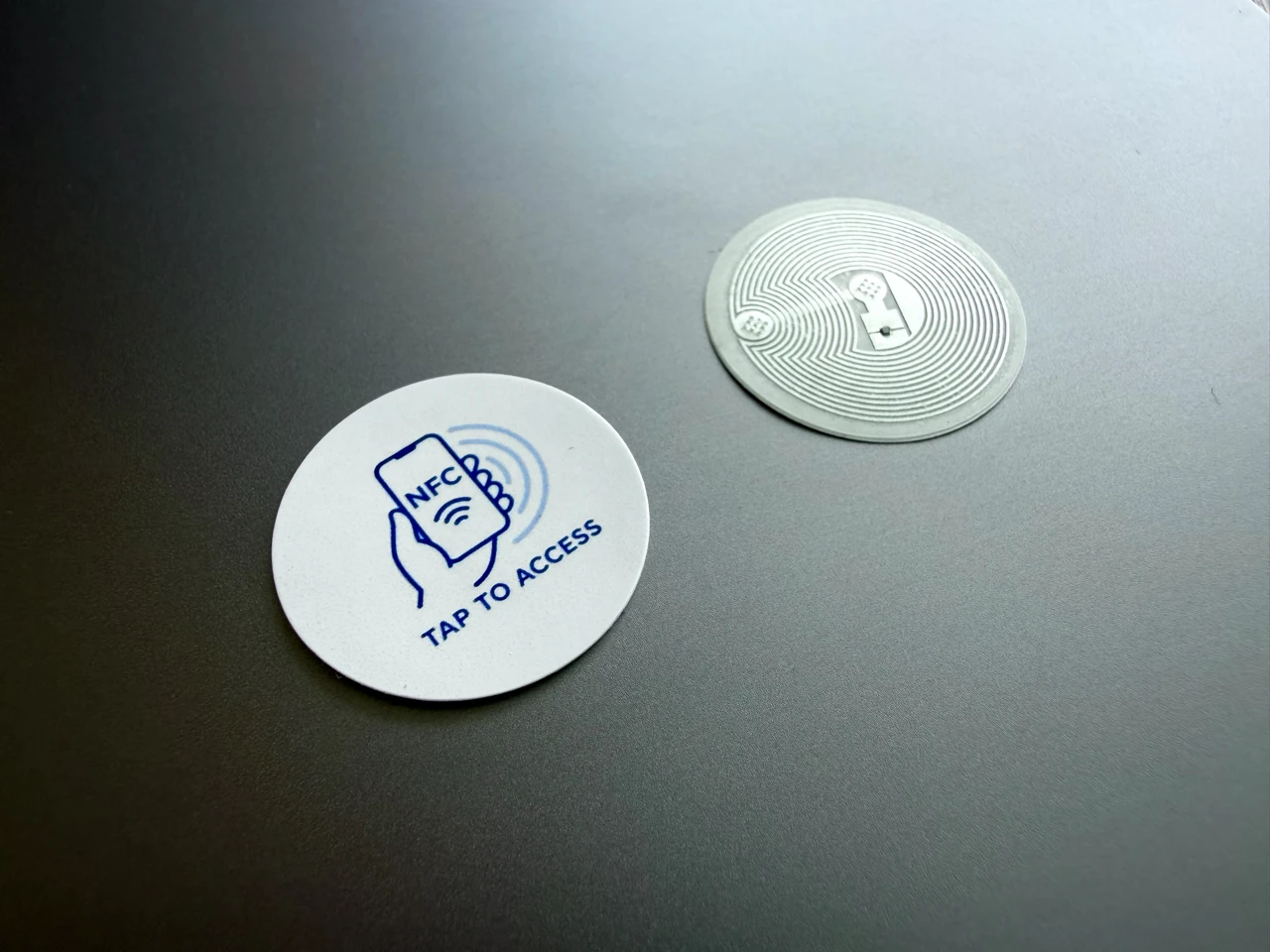
Starting November 1, 2026, the coastal town of Shirahama, in Japan's Wakayama Prefecture, is scheduled to begin an NFC-enabled tourism trial. Visitors will be able to interact with special posters placed around the area using their smartphones. The project offers an interesting lesson for hotels, attractions, restaurants and local tourism teams: a small physical touchpoint can become the beginning of a much bigger visitor journey.
Japan's NFC Tourism Trial Is Bringing Digital Experiences to Local Attractions
In its September 30, 2026 announcement, Shirahama described plans for NFC-enabled posters at approximately 30 tourism locations. A subsequent October 27 local news report, discussed in an October 29 regional business analysis, put the number at 37 locations, including restaurants, public baths and accommodations. The updated count is based on that secondary report.
The trial is scheduled to run from November 1, 2026, through January 31, 2027, with an evaluation planned for February and March. Its goals include encouraging visitors to explore more places during quieter tourism months and studying how people move between participating locations.
The initiative is more sophisticated than a basic NFC website sticker. Shirahama's municipal announcement describes a dedicated application that supports digital stamp collection, rewards and AI-powered tourism guidance. The system is also intended to collect movement and visit-duration data for the pilot's evaluation.
Those advanced functions require software beyond an ordinary NFC tag. But the physical interaction at the center of the project is easy to understand: put a clearly marked NFC touchpoint where visitors are already standing, and give them a useful digital next step.
Why a Simple Tap Could Help Visitors Discover More
Imagine arriving at a seaside hotel for the weekend. You want to find a nearby restaurant, check the opening hours of a local attraction and choose somewhere interesting to visit the following morning.
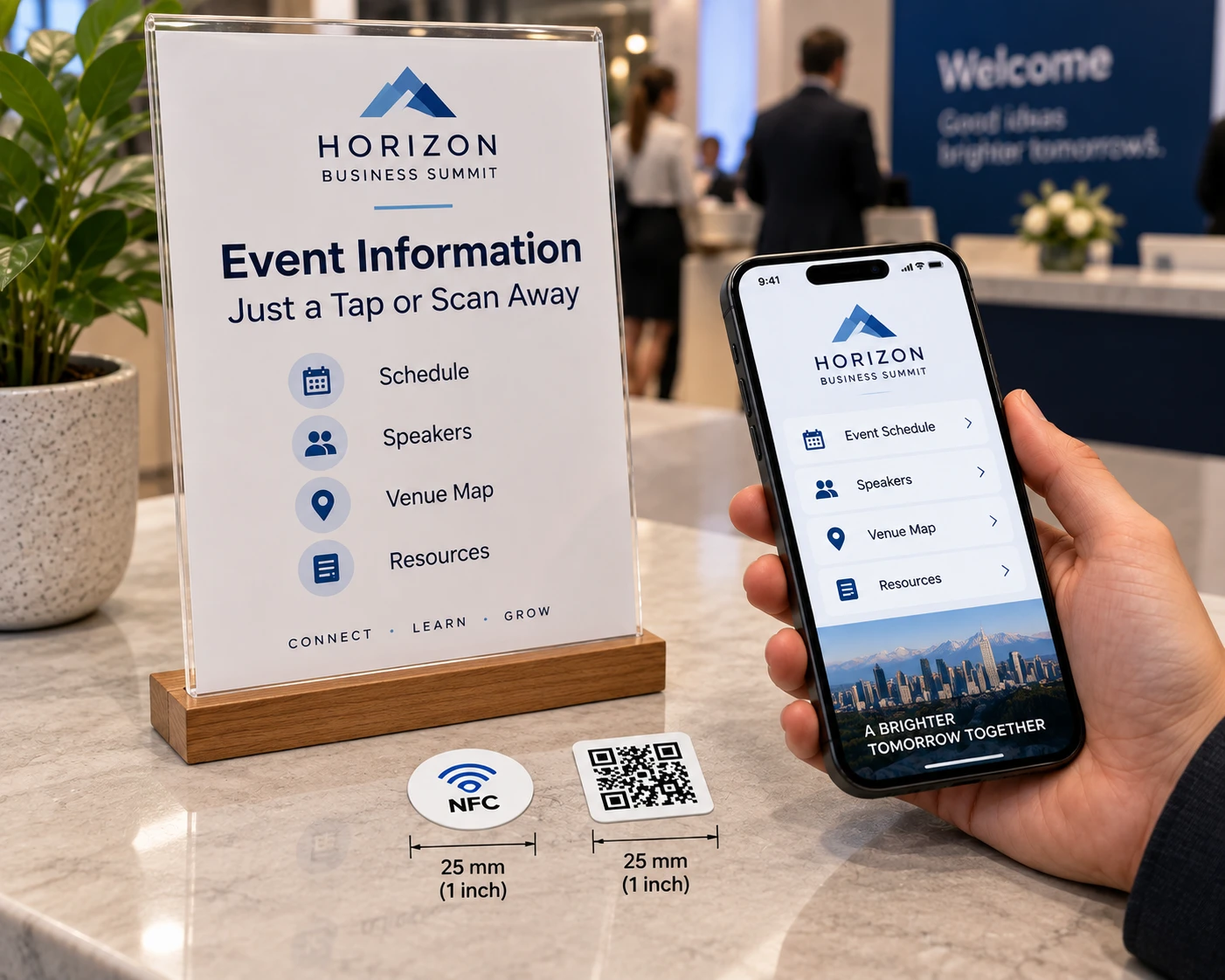
Instead of searching through several websites, you notice a sign at reception reading, "Tap or Scan to Explore the Area." Your phone opens a mobile-friendly local guide containing a map, attractions, suggested routes and useful visitor information.
The advantage is not that NFC provides information unavailable elsewhere. It is that the right information becomes easier to find at the moment someone needs it. A hotel lobby, visitor center or shop counter can connect people directly to a relevant page without asking them to remember a website address.
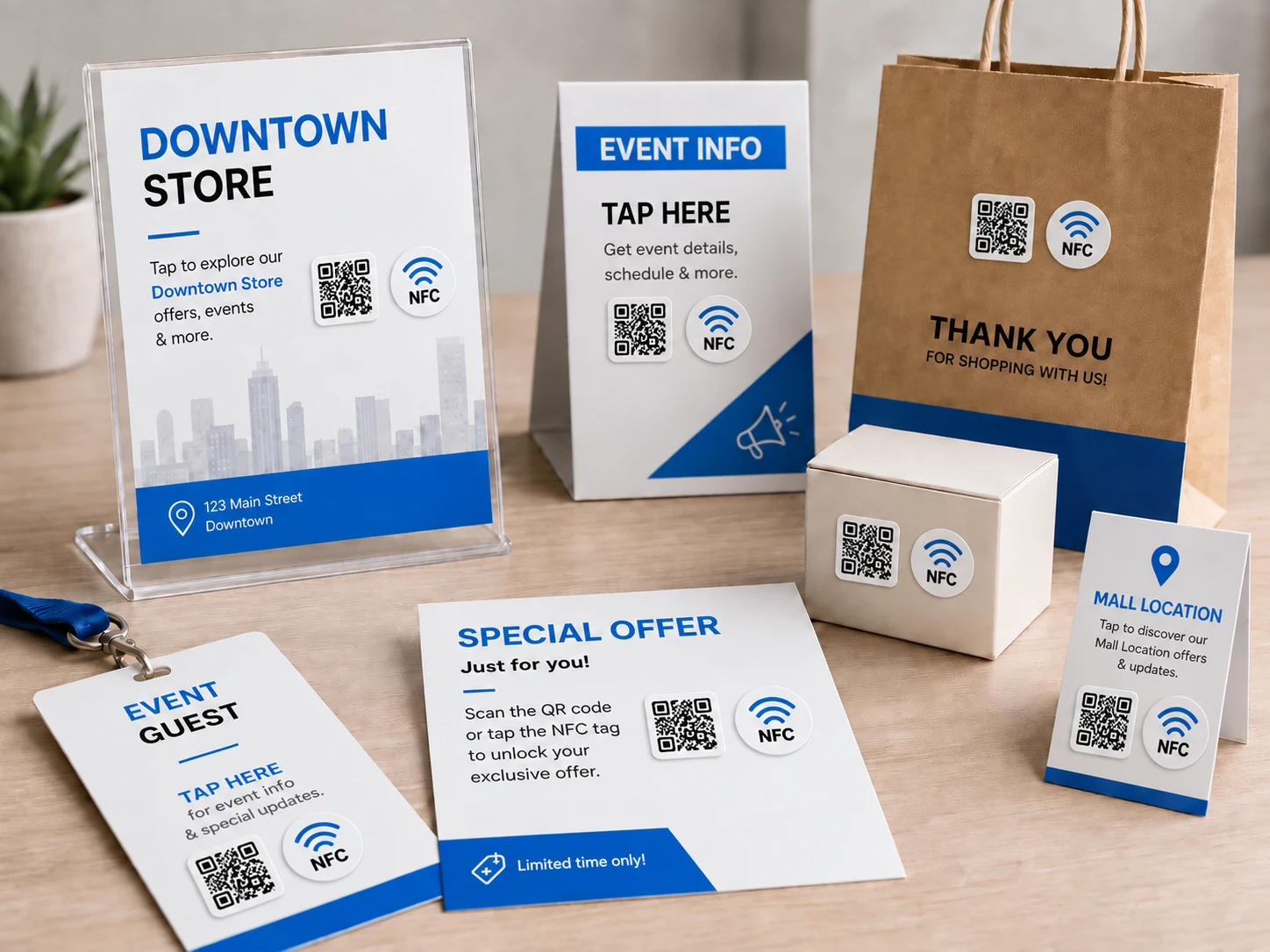
This approach can be valuable for smaller tourism businesses that already have websites but lack an easy way to introduce those pages to passing visitors. The physical location becomes a useful starting point for discovering the services and attractions available nearby.
Three Places NFC and QR Tourism Signs Make Sense
The lesson from Shirahama is particularly relevant to businesses that serve travelers. A digital visitor experience does not have to begin with a complex application. For ordinary information access, a well-placed NFC sticker paired with a QR Code can open an existing web page.
- Hotel reception or lobby: Place an NFC sticker and matching QR Code beside a local attractions sign. Link them to the hotel's online neighborhood guide, where guests can explore nearby sights, opening hours, transportation information and restaurant recommendations.
- Tourist information desk or attraction entrance: Add a tap-or-scan point to a printed visitor display. The destination could be a mobile-friendly attraction guide, walking route, accessibility information page or multilingual visitor map.
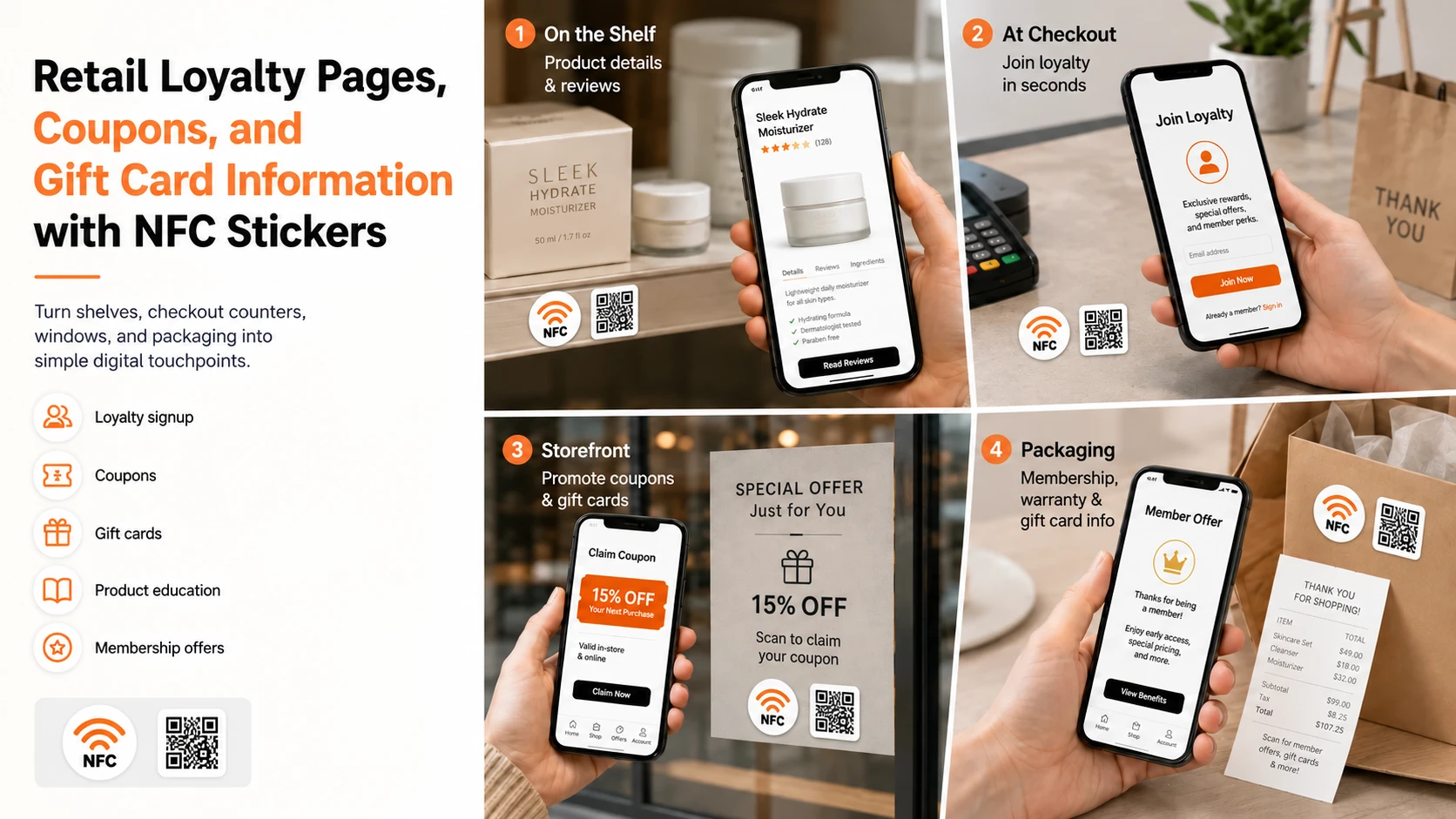
- Local shop or café counter: Place a clearly labeled touchpoint near the checkout. Link it to a page featuring locally made products, nearby places to visit or a current offer. The business controls the information on its own destination page.
These are illustrative ways that tourism operators could use ordinary URL-based NFC and QR stickers. They are not claims about the specific services deployed in Shirahama's pilot.
The most useful destination is usually a specific page, not a generic homepage. A visitor tapping a sign marked "Explore Nearby Attractions" should see relevant local attractions first. Someone opening a hotel guide should not have to search through unrelated promotional content to find useful information.
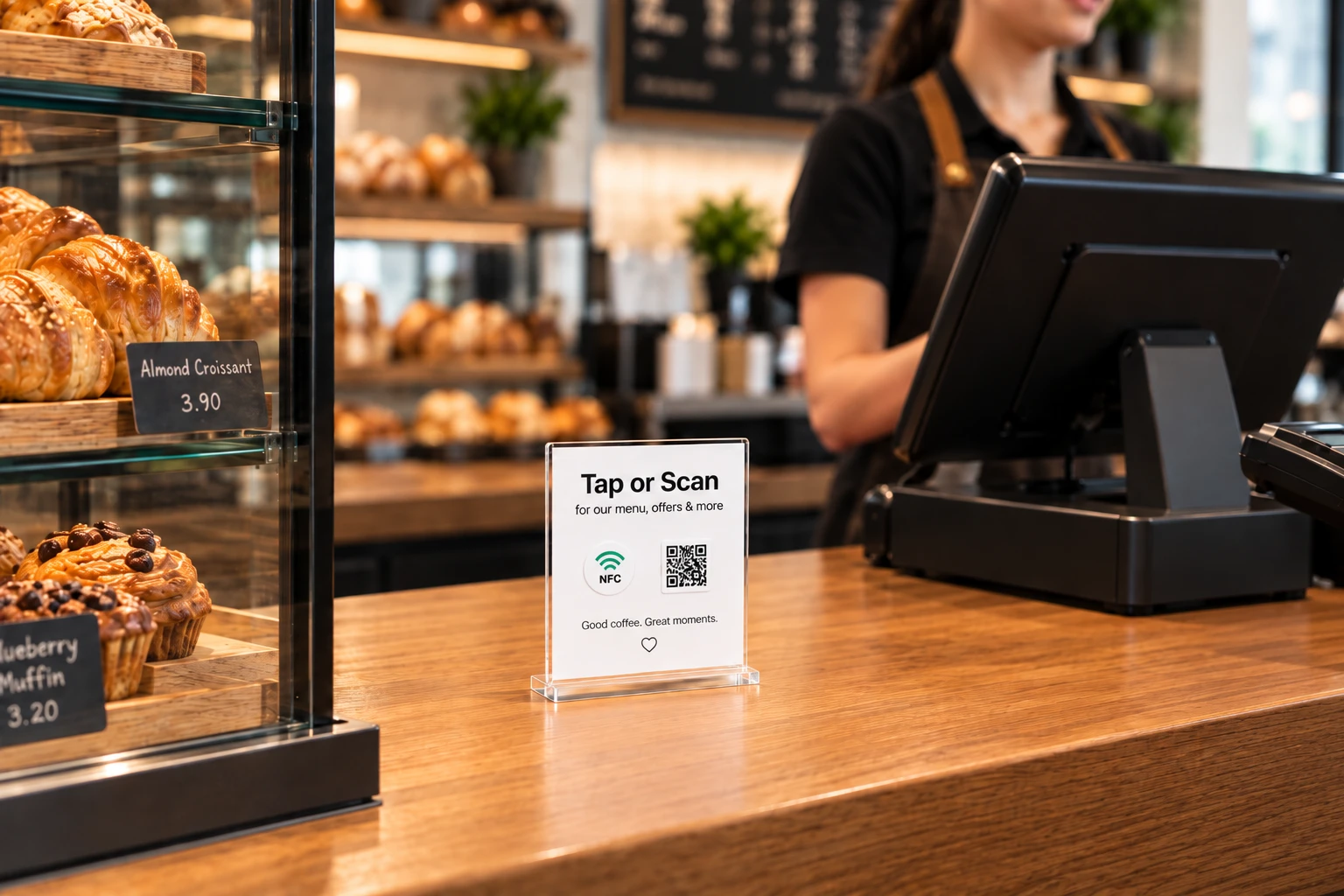
For hospitality teams, NFCOP's existing hotel guest-information guide explains how physical signs can help visitors reach directories, local guides and other online resources. Similar principles apply to temporary attractions and visitor events, as described in its event information and venue sign guide.
An Important Difference: Opening a Guide Is Not Running a Stamp Rally
Shirahama's project demonstrates a specialized NFC tourism application. Its digital stamp collection, rewards, AI assistance and movement analysis depend on the project's own technology and software. An ordinary sticker that opens a website cannot automatically reproduce those functions.
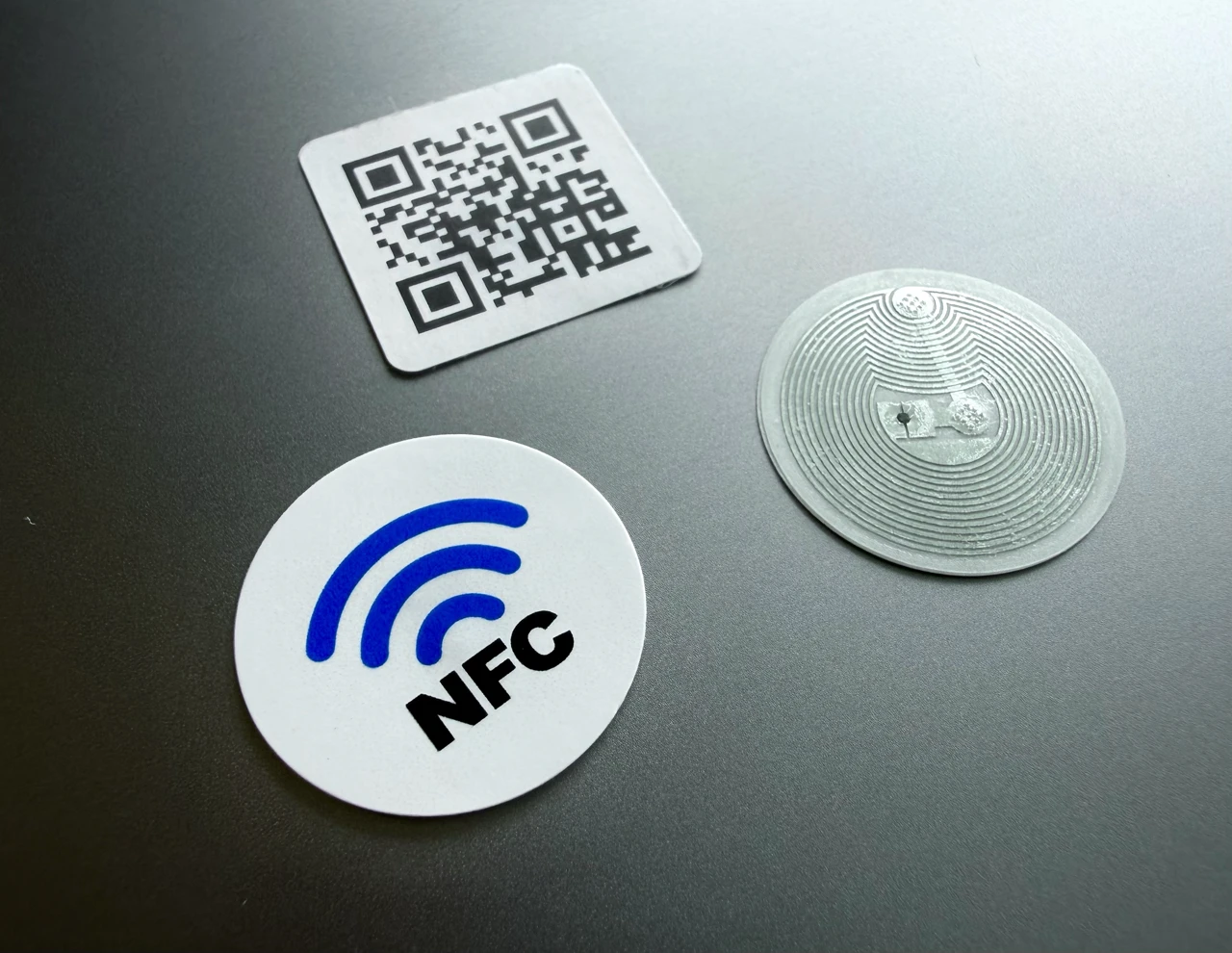
For businesses that simply want to share visitor information, the technology can be much simpler. A URL-encoded NFC sticker contains a web link. When a compatible smartphone reads the sticker, the user can follow the link to a webpage. A matching QR Code offers another route to the same destination.
NFCOP supplies custom printed NFC URL stickers and matching QR Code stickers. Customers choose their artwork and destination URLs, while NFCOP handles printing, NFC encoding, matching and delivery. The stickers arrive ready for placement, so a hotel or local shop does not normally need to program the NFC chips itself.
Most modern compatible smartphones can open an ordinary web destination without a dedicated NFC application. A specialized tourism program may have separate app requirements, as the Shirahama municipal description indicates. This distinction matters when planning a visitor experience: the sticker provides access, while the connected website or application determines what happens afterward.
Making NFC Tourism Signs Useful Beyond One Season
Tourism information changes. Restaurants update opening hours, attractions introduce seasonal programs, guided tours change schedules and businesses refresh their offers. A printed sign should not become useless just because its online destination needs to change.
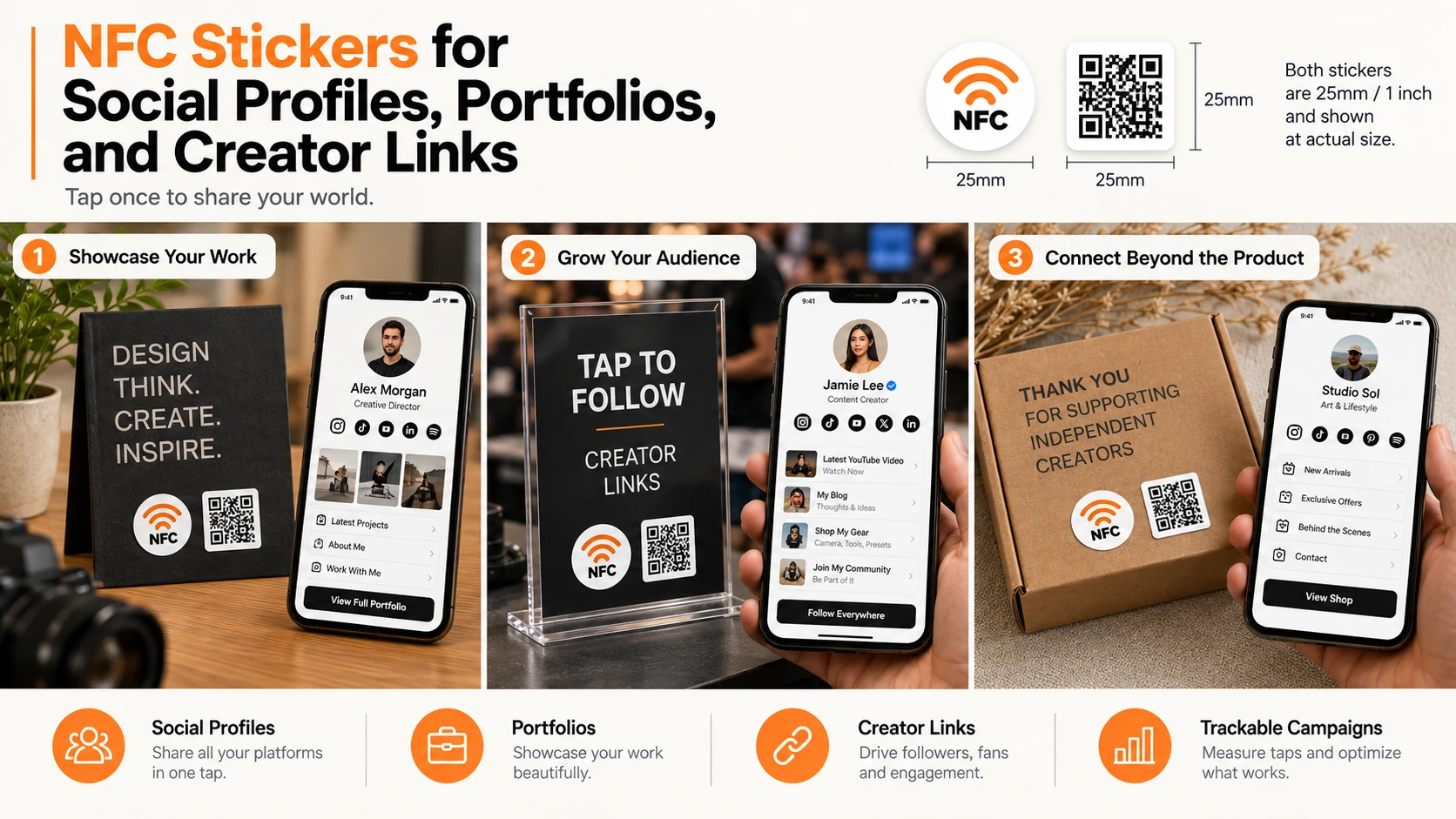
One practical approach is to keep the information at a stable website address and update that page as needed. NFCOP also offers optional Dynamic URLs, allowing a business to change the destination behind its encoded link without replacing the physical sticker. Dynamic URLs can provide NFC and QR interaction statistics as well.
For example, a visitor center could use a single tap-or-scan sign to direct travelers to a summer activities page, then change its Dynamic URL destination to a winter attractions guide. Separate Dynamic URLs could help a tourism team compare the link activity of different signs or locations.
These statistics indicate interactions with the links. They do not automatically establish how many attractions visitors attended, whether they completed a booking or how long they stayed in the area. Those outcomes require additional information from the destination website or other properly configured systems.
Before installing tourism signs, teams should test both tapping and scanning on representative devices. The destination should load well on a phone, the printed instructions should describe the real action, and visitors should understand where the link will take them. NFCOP's FAQ on compatibility and Dynamic URLs provides useful background for planning these placements.
What Tourism Businesses Can Learn From Japan's New Pilot
Shirahama's planned November launch offers an interesting real-world test of NFC-assisted tourism. Whether the project successfully encourages visitors to explore more locations will depend on its results, which have not yet been reported. Its wider relevance is already worth considering: tourism experiences can begin at physical places, not only through online searches or advertising.
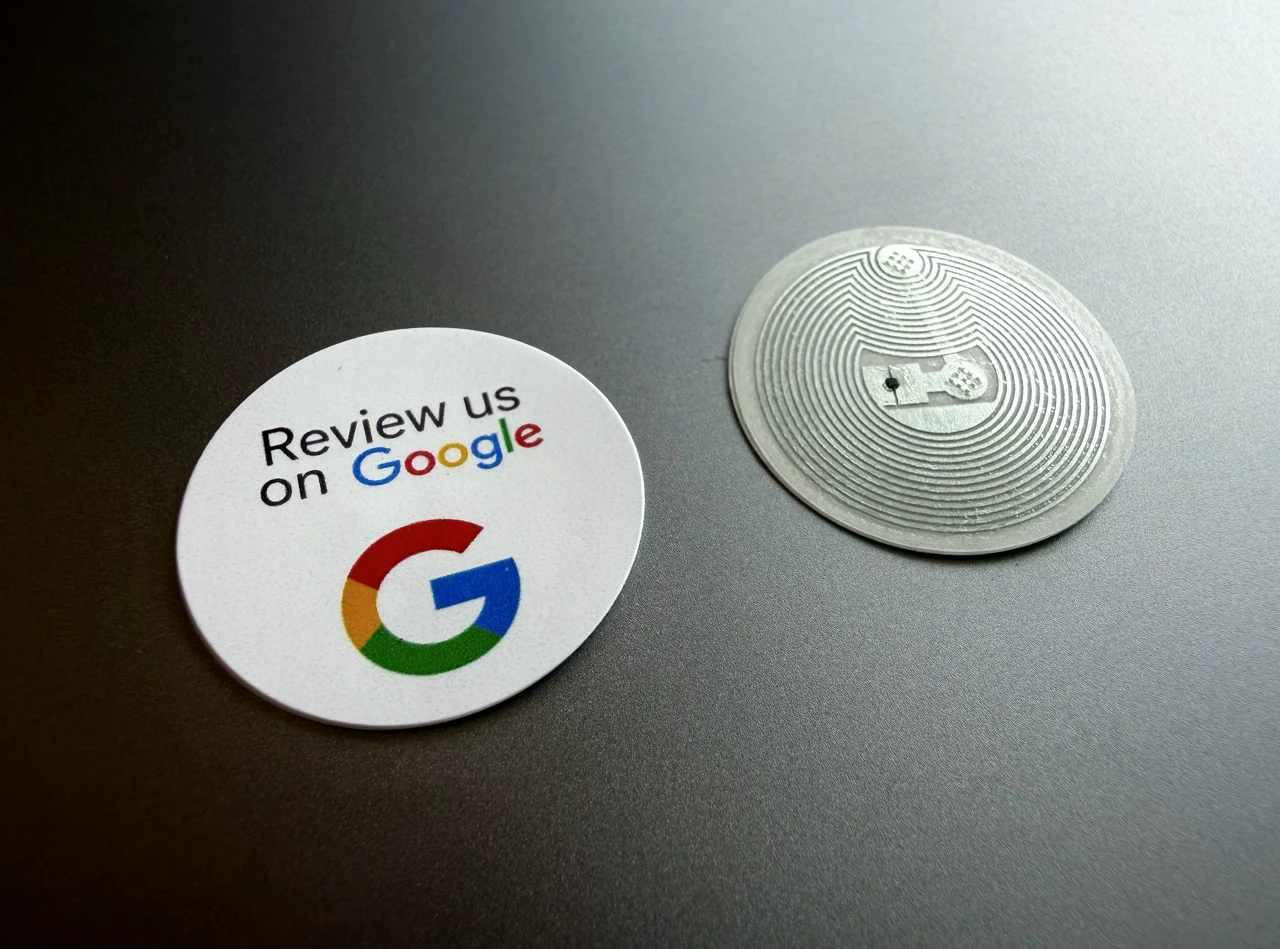
For smaller businesses, a sensible starting point is one location, one useful webpage and one clear visitor action. A hotel might begin with a nearby attractions guide. A museum could link an information display to an exhibit page. A café could introduce visitors to a local shopping or food guide.
NFC and QR Code stickers will not create the tourism content, run a destination-wide reward program or guarantee more visitors. They can, however, make an existing digital resource easier to reach from the places where travelers are making decisions.
If your hotel, attraction, visitor center or local business already has a useful online guide, explore how NFCOP creates custom printed, pre-encoded NFC and matching QR Code stickers. Start with a helpful destination, make the next action obvious and give visitors a convenient way to explore what your location has to offer.