 NFC OPERATIONS
A customer opens a new product, glances at the box and wonders where to find the setup guide. The information might already be online, but asking someone to search for it creates an unnecessary detour. Packaging that opens a useful web page with a phone tap or QR scan offers a simpler route.
That everyday moment helps explain an interesting finding from the Global Connected Packaging Survey 2026, released in February 2026. The survey reported that 47.1% of connected-packaging adopters were using NFC and QR codes together. This is a look at the year's research, not a new October announcement.
What the 2026 Connected Packaging Survey Found
The survey, produced by Appetite Creative with Koenig & Bauer AURAVEO, reported that 81.2% of surveyed companies were using connected packaging, compared with 72.6% in the previous year's survey. It also found that 92.3% of respondents expected connected packaging to become increasingly important to the industry.
Among adopters, the reported technology mix was revealing: 47.1% used QR codes and NFC together, versus 31.8% using QR codes alone and 21.1% using NFC tags alone. The figures describe this survey's participants. They should not be read as proof that the same percentages apply to every brand or business.
The findings also showed several motivations beyond advertising. Respondents highlighted data collection, regulatory compliance, sustainability, marketing, loyalty and engagement. Not every connected-packaging project can deliver all those outcomes, and a simple URL sticker is not a compliance or traceability system. Still, the survey points to a practical question for businesses: what should a customer be able to do with the package in hand?
Why NFC and QR Make Sense Together
A printed package has limited room. A short instruction and a visible tap-or-scan prompt can connect that physical space to a detailed page with pictures, instructions, forms or videos. The page can be designed for a phone screen and updated as the business improves its information.
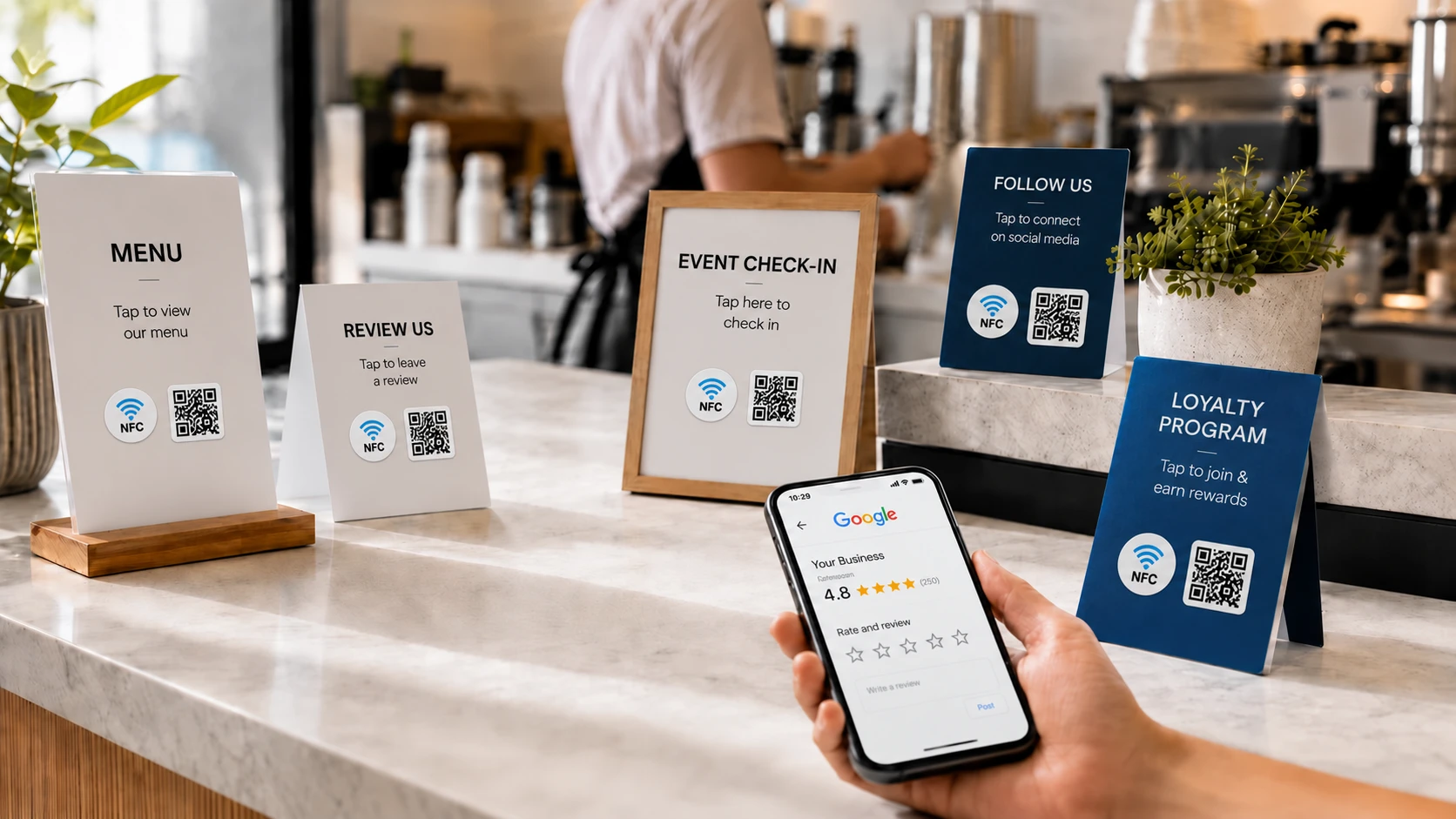
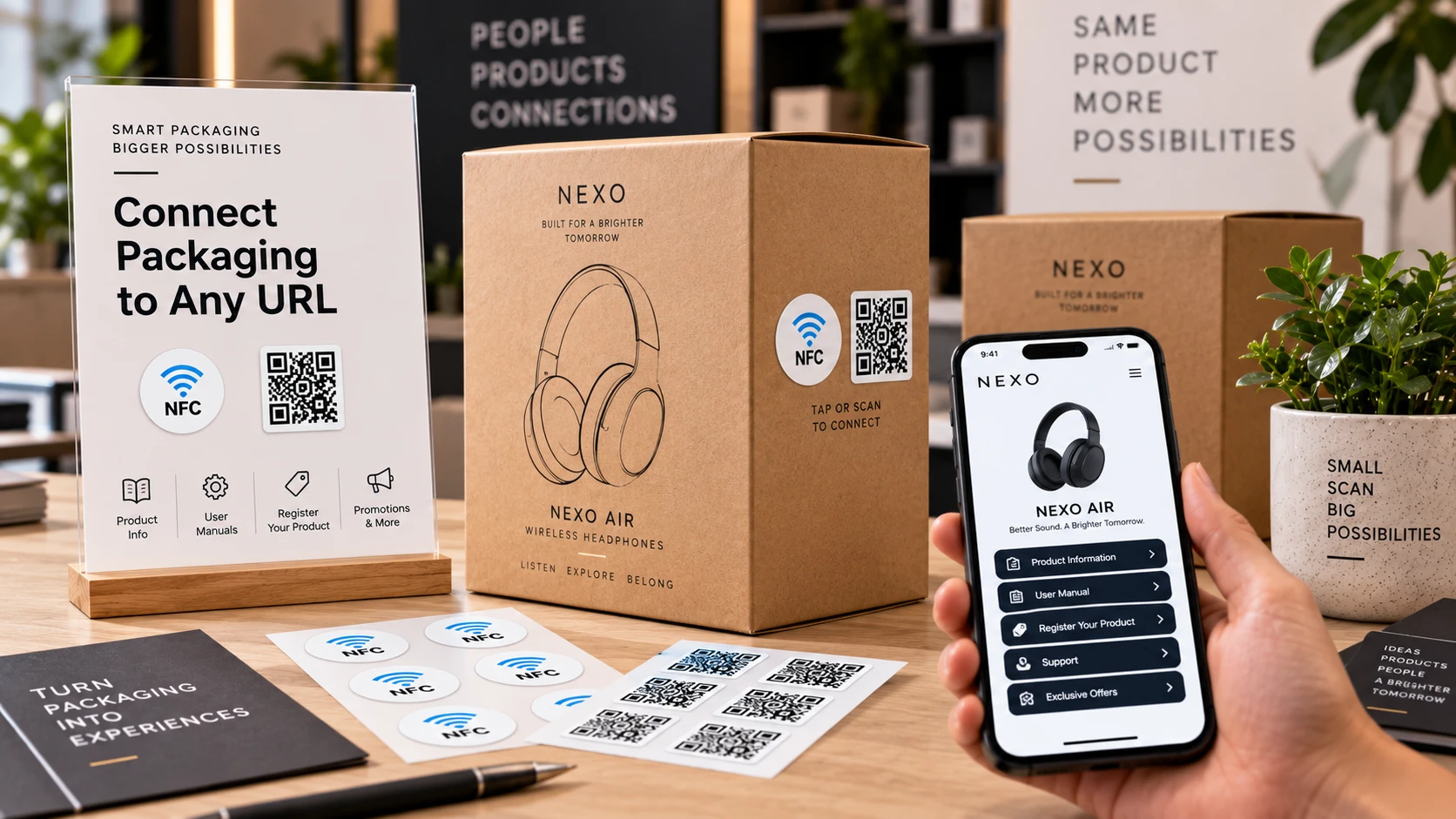
NFC provides one route: someone with a compatible phone holds it near a programmed sticker and follows the prompt to open the linked website. A matching QR code provides another: the customer scans it with a camera. No dedicated NFCOP app is normally needed for either approach.
Using both methods matters because customers have different devices and habits. A QR code remains useful when NFC is unavailable, switched off or inconvenient to read. The two methods can lead to the same destination, avoiding the confusion of giving customers different answers depending on which symbol they choose.
The important point is not the technology itself. It is the next action. A phone opening a product-specific support page is more helpful than a phone opening a generic homepage that forces someone to search again.
Three Useful Packaging Moments to Design Around
Businesses do not need to build an elaborate digital experience to start. A useful first project answers one question at a moment when the customer already has the product nearby.
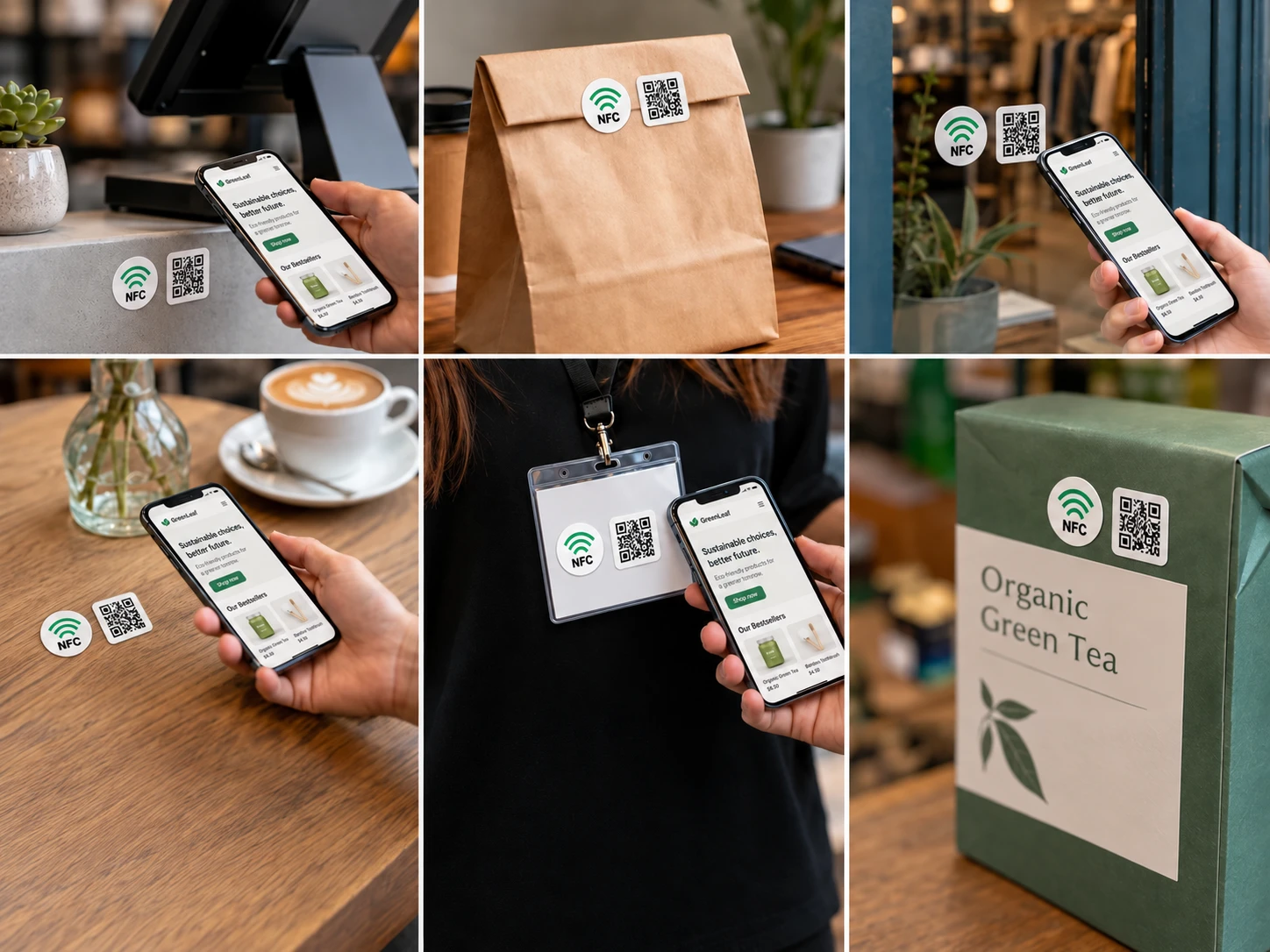
- On the outside of the box: Add a clearly labeled NFC sticker and matching QR Code sticker that open a product overview or first-use guide. A shopper or recipient can check what is included and how to begin.
- Inside a delivery package: Place a tap-or-scan prompt on a printed insert that opens a welcome page with care instructions, setup steps or a relevant tutorial. Customers get a direct route to help after unboxing.
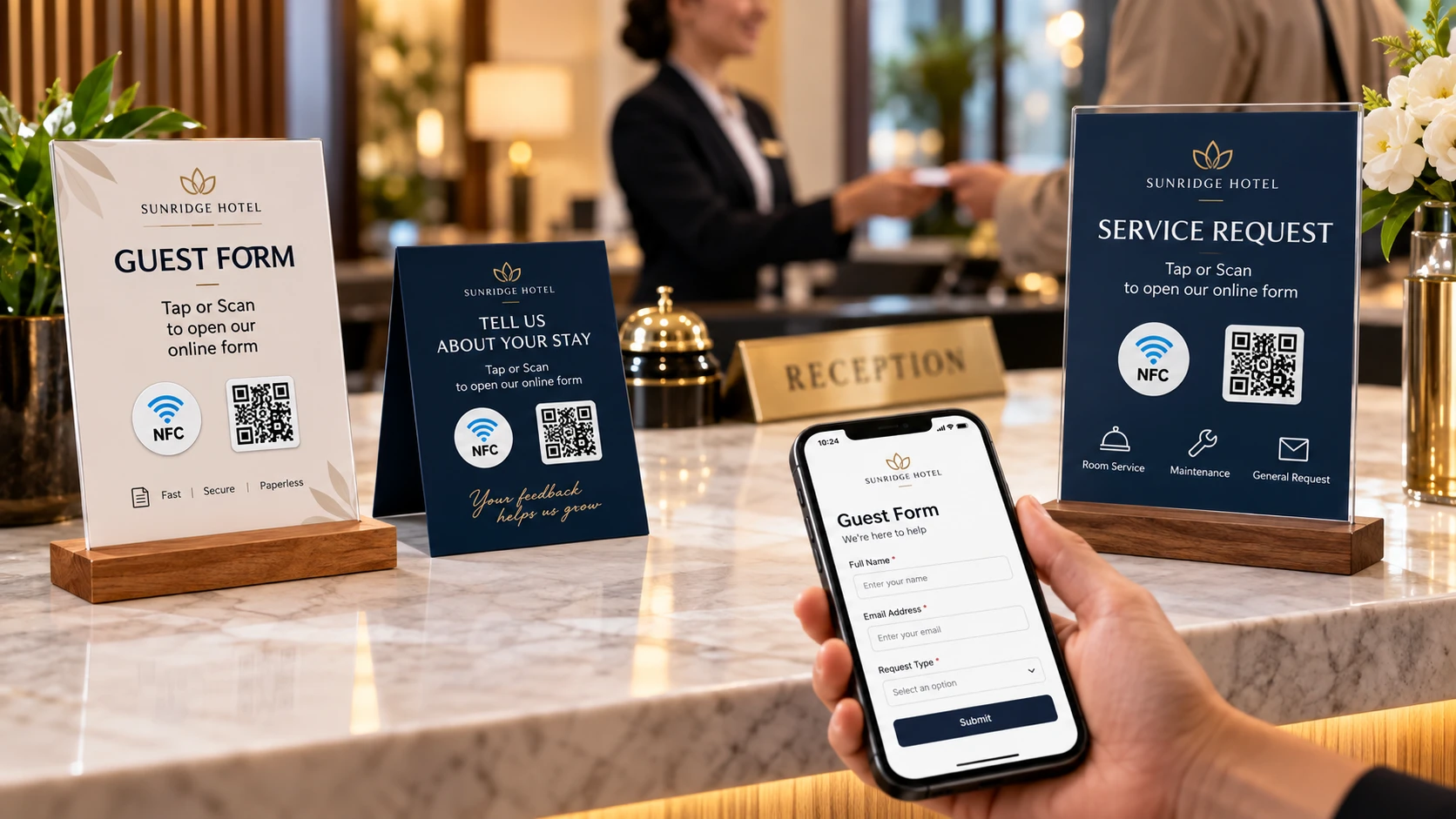
- Beside a product information label: Link to a mobile-friendly warranty form, spare-parts page or support request form already hosted by the brand. The linked website, not the sticker, handles any submitted information.
For example, imagine a small maker of reusable drink bottles. A package insert marked “Tap or scan for care instructions” could open a page explaining cleaning and replacement parts. That is an illustrative use case, not a claim about an actual customer campaign or measured sales.
Each placement needs a specific web address and an honest printed promise. If the label says “Open Care Guide,” the customer should see the care guide first, not a promotional pop-up or an unrelated store page. NFCOP's earlier guide to NFC and QR stickers on product packaging covers the basic placement approach in more detail.
The Customer Page Matters More Than the Tap
The 2026 survey measured industry interest and adoption; it did not establish that an NFC sticker guarantees happier customers or more sales. A physical link only reduces the effort of getting to the next page. What happens after that depends on the destination.
Before putting a link on thousands of packages, open it on a phone. Can someone identify the correct product model? Is the most useful answer visible without scrolling through a long sales pitch? Are instructions readable, forms short and buttons easy to use? These details turn a clever sticker into a genuinely helpful service.
Brands can also keep a printed package relevant when information changes. NFCOP offers an optional Dynamic URL feature that lets customers update the redirect destination later and view tap and scan usage statistics. These statistics indicate link interactions; they do not by themselves prove a warranty was registered, a form was completed or a product was purchased.
What Businesses Can Learn From the 2026 Trend
The most useful lesson from the survey is not that every package suddenly needs a chip. It is that businesses are exploring more than one way for physical products to connect to digital information. For a small brand, the sensible starting point may be one product line and one customer problem.
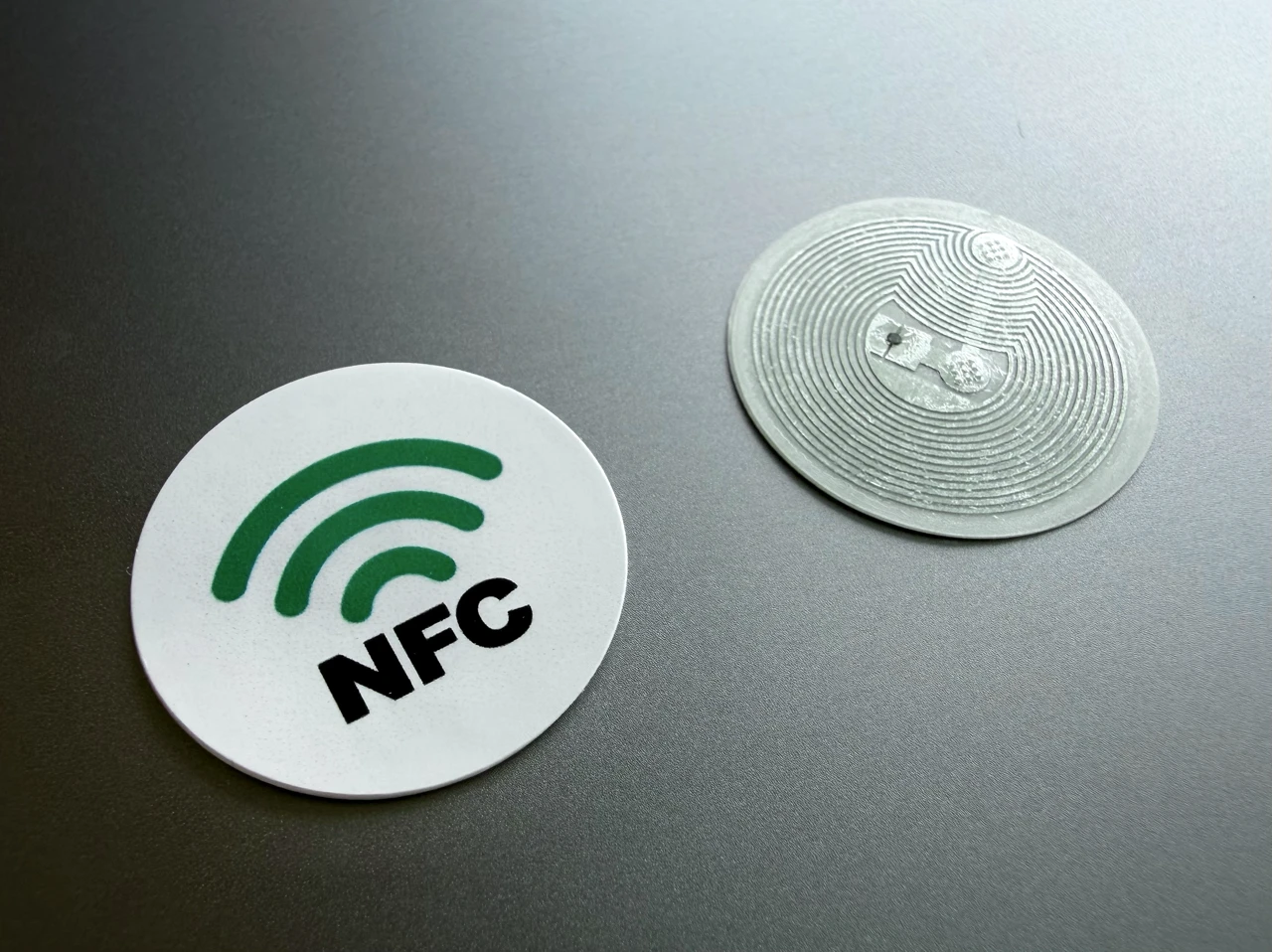
Choose a page worth visiting, test it with people unfamiliar with the product and make the printed instruction clear. If customers are asking for setup help, link to setup help. If they need care information, link to care information. Keep marketing secondary to the task the customer came to complete.
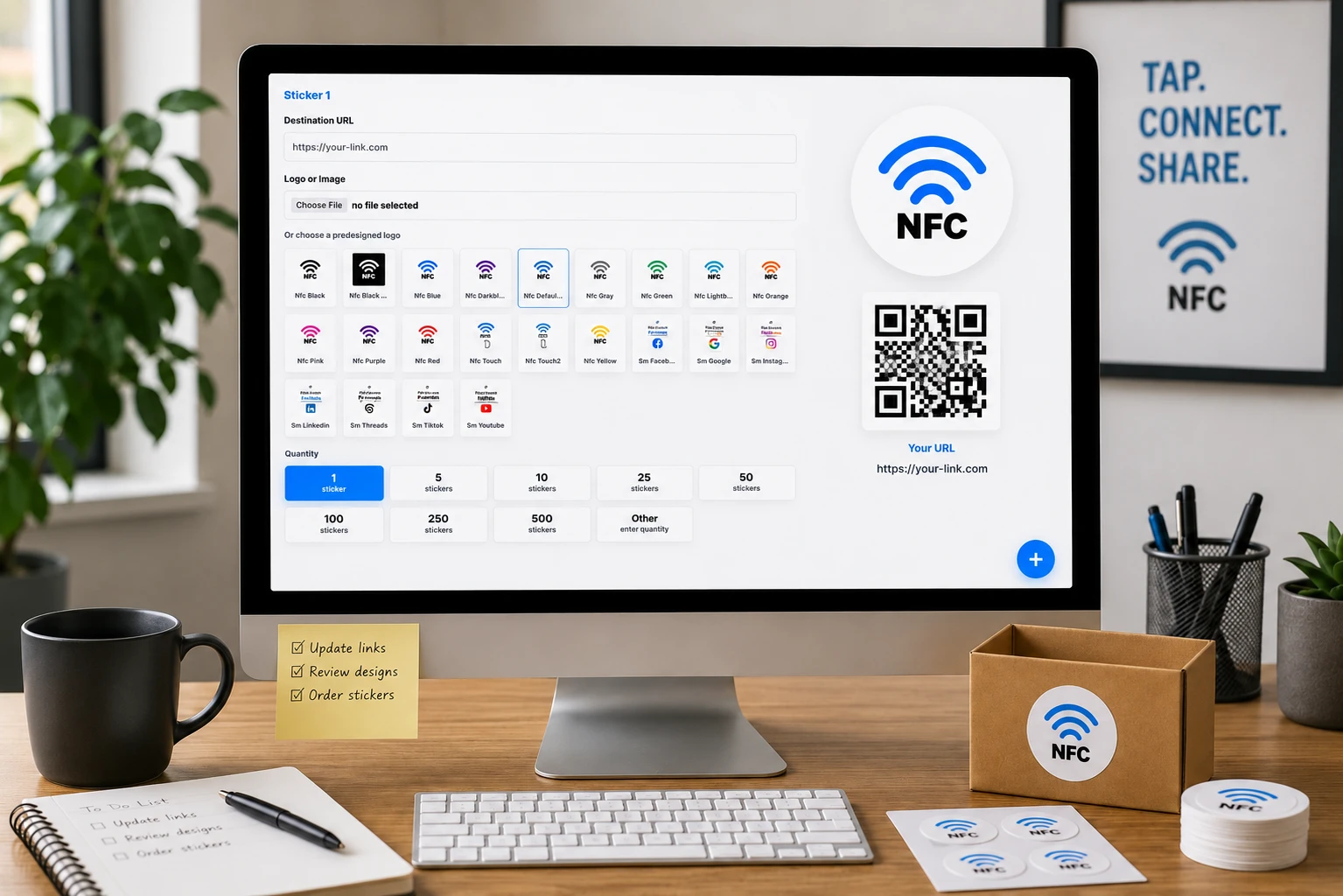
This also creates a realistic path for small teams that cannot build specialized smart-packaging platforms. NFCOP prints custom NFC URL stickers, encodes the chosen links and includes matching QR Code stickers for the same destinations. The stickers arrive ready for placement; the brand remains responsible for creating and maintaining the web pages they open.
Before ordering, check the NFCOP FAQ on compatibility and Dynamic URLs and test the intended surfaces and phones. If the goal is to help people find the right information at the right time, a well-placed NFC and QR pair can be a practical first step.