 NFC OPERATIONS
On August 13, 2026, three museums in Ho Chi Minh City launched a Heritage Passport linking their collections through a shared cultural itinerary. The project uses NFC technology to connect physical visits with digital information. It offers a useful case study for museums and heritage organizations considering how to help visitors continue exploring beyond a single venue.
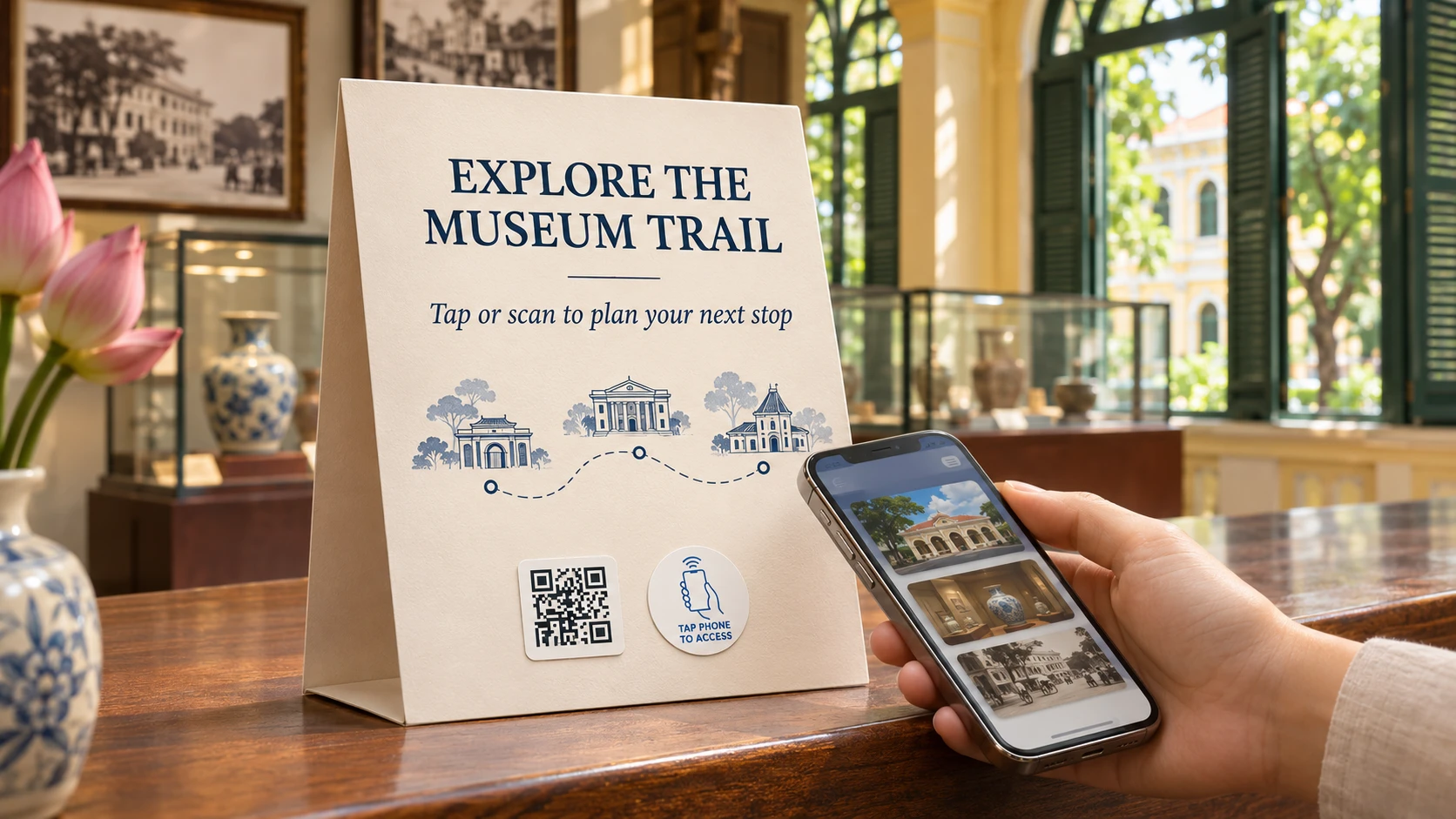
For these organizations, the practical question is how each stop can introduce the next. A museum trail needs a clear connection between places, accurate visitor information and an easy way to open that information on a phone. NFC can provide that access point, while the linked content gives the journey its purpose.
Three Museums Connected Through One Cultural Itinerary
According to Tuoi Tre's August 13 launch report, the participating venues are the War Remnants Museum, Ho Chi Minh City Museum and Phở Museum. The itinerary connects wartime history, the city's development and Vietnamese culinary culture. It brings different collections into one visit plan rather than presenting them only as separate attractions.
The report describes a physical passport with NFC connectivity that activates a digital version on a visitor's device. NFC points also provide access to information, images and historical stories. The digital experience includes ways to preserve personal memories, extending the connection with the museums after the visit.
A separate August 14 report from Nhan Dan confirms the launch and describes guests using NFC to access information and record experiences at connected destinations. These reports establish a documented application, but do not provide measured results for visitor growth, repeat visits or spending. Those outcomes should not be assumed.
What a Shared Trail Adds to Museum Information
The distinctive feature of this example is cooperation across venues. A visitor reading about one collection can be introduced to another institution with a related perspective. For a local museum network, that creates an opportunity to explain why the next stop belongs in the same cultural journey.
A useful trail page should answer both cultural and practical questions. It can explain the connection between collections, identify the participating venues and link to their current visitor information. Opening hours, location details and accessibility information help visitors decide whether another stop fits their plans.
This requires an editorial agreement between participating organizations. Each venue should approve how its collection is described and identify who maintains its information. A shared design helps visitors recognize the trail, but clear ownership of the content is what keeps the experience dependable.
Connect Each Physical Stop to a Useful Webpage
Museums can adapt the information-access principle without recreating a complete digital passport. The following are proposed placements for a simpler web-based trail, not reported features of the Ho Chi Minh City deployment. Each connects a physical location to one clear visitor action.
- Reception display: open the shared trail overview so visitors can compare the participating museums and plan their route.
- Gallery information stand: open a curator-approved page explaining how a theme connects to a collection at another venue.
- Exit sign or take-home trail card: open the next-stop page with directions and links to current visiting information.
Use a specific instruction such as “Tap or scan to explore the museum trail.” The destination should deliver that information immediately, with recognizable venue names and a clear next step. Sending every visitor to a general homepage makes the connection between the sign and the promised content harder to follow.
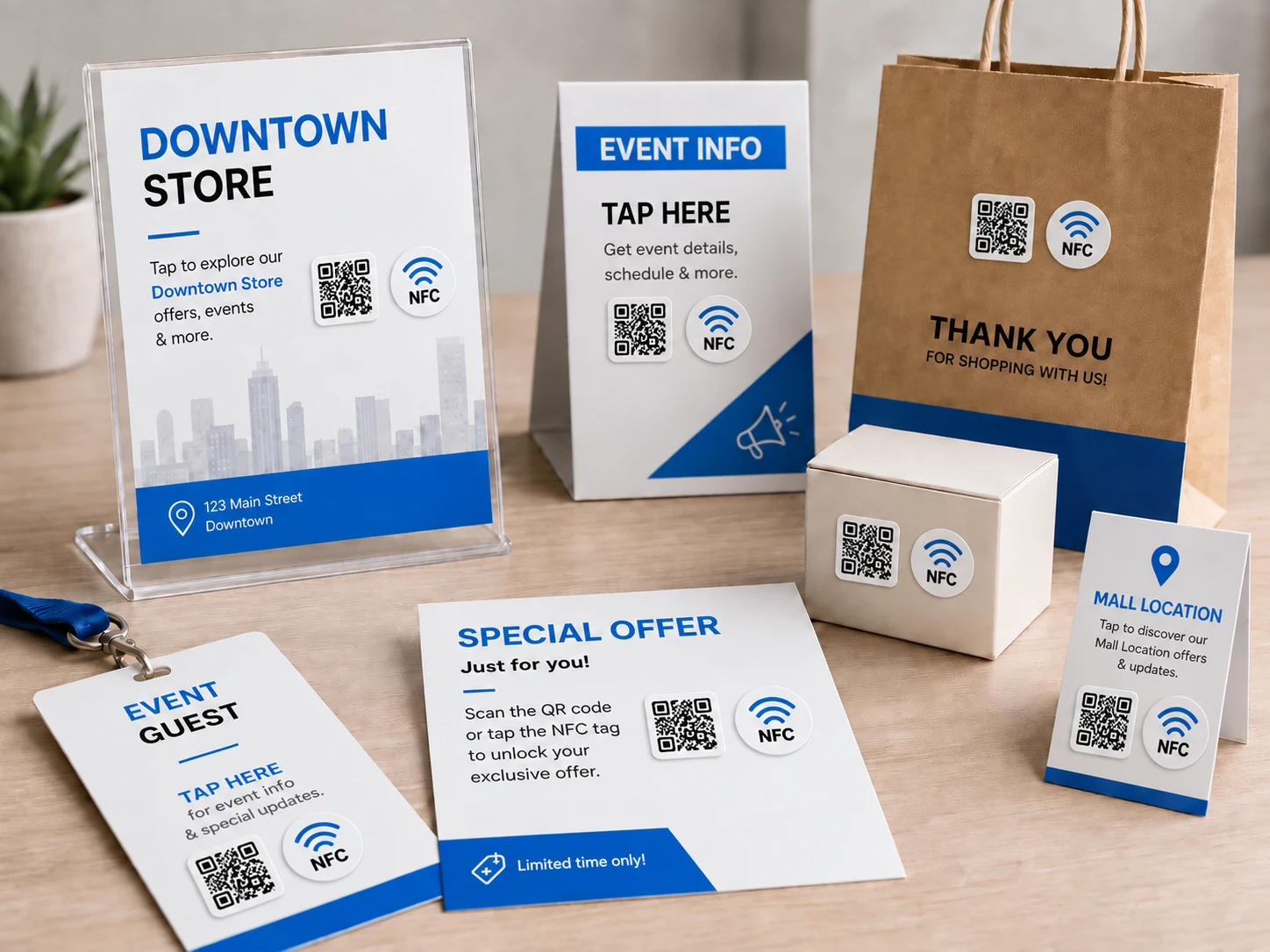
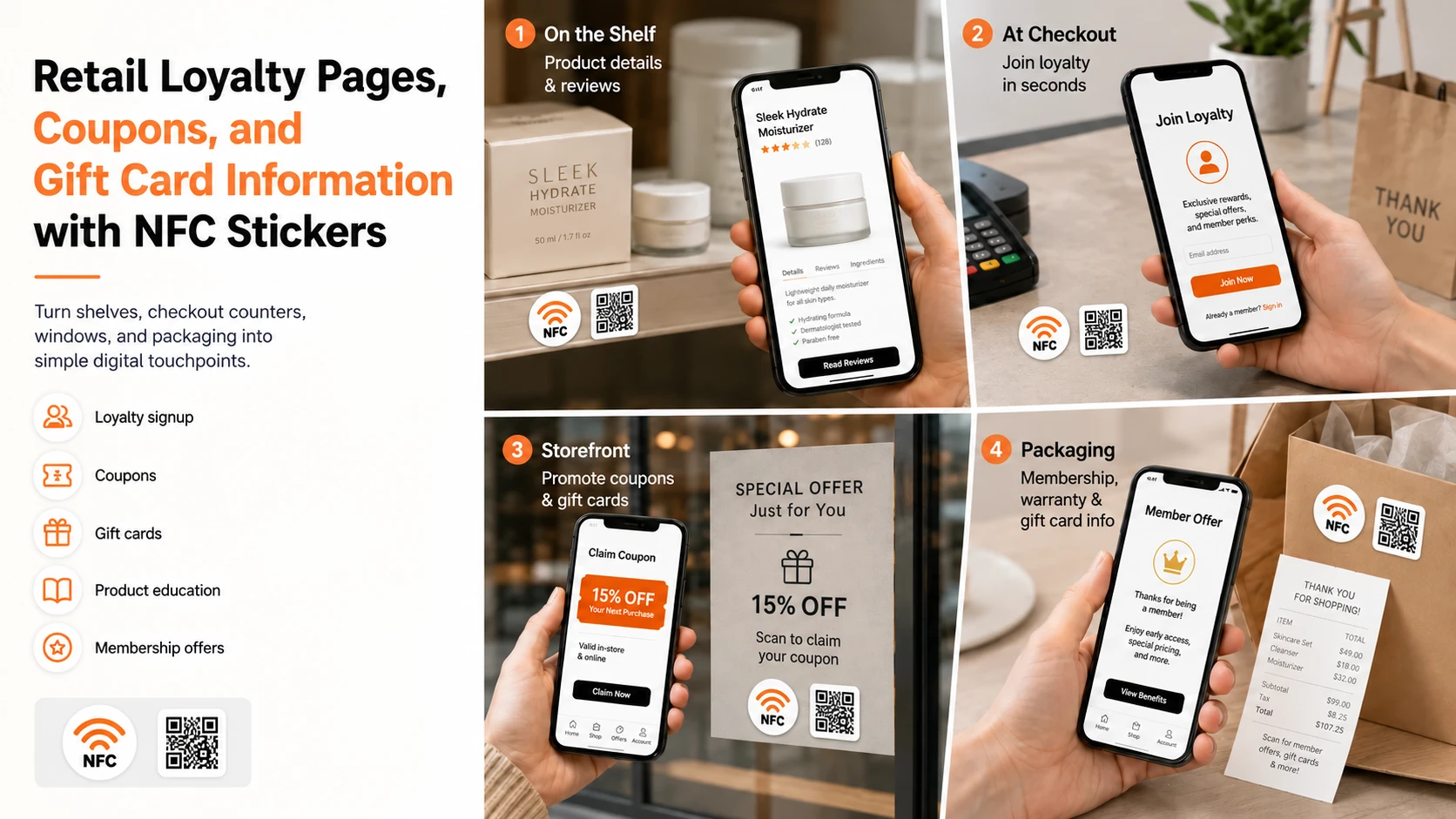
This NFCOP illustration shows sticker placements on printed information materials. It is not a photograph of the Heritage Passport project. For a museum trail, the same placement principle could be applied to approved reception signs and visitor cards.
Separate Information Access from Passport Functions
A URL sticker opens a web address. It does not, by itself, issue admission rights, record a named visitor's route or maintain a personal collection of memories. A project offering those functions needs appropriate software and operational processes beyond the physical tag.
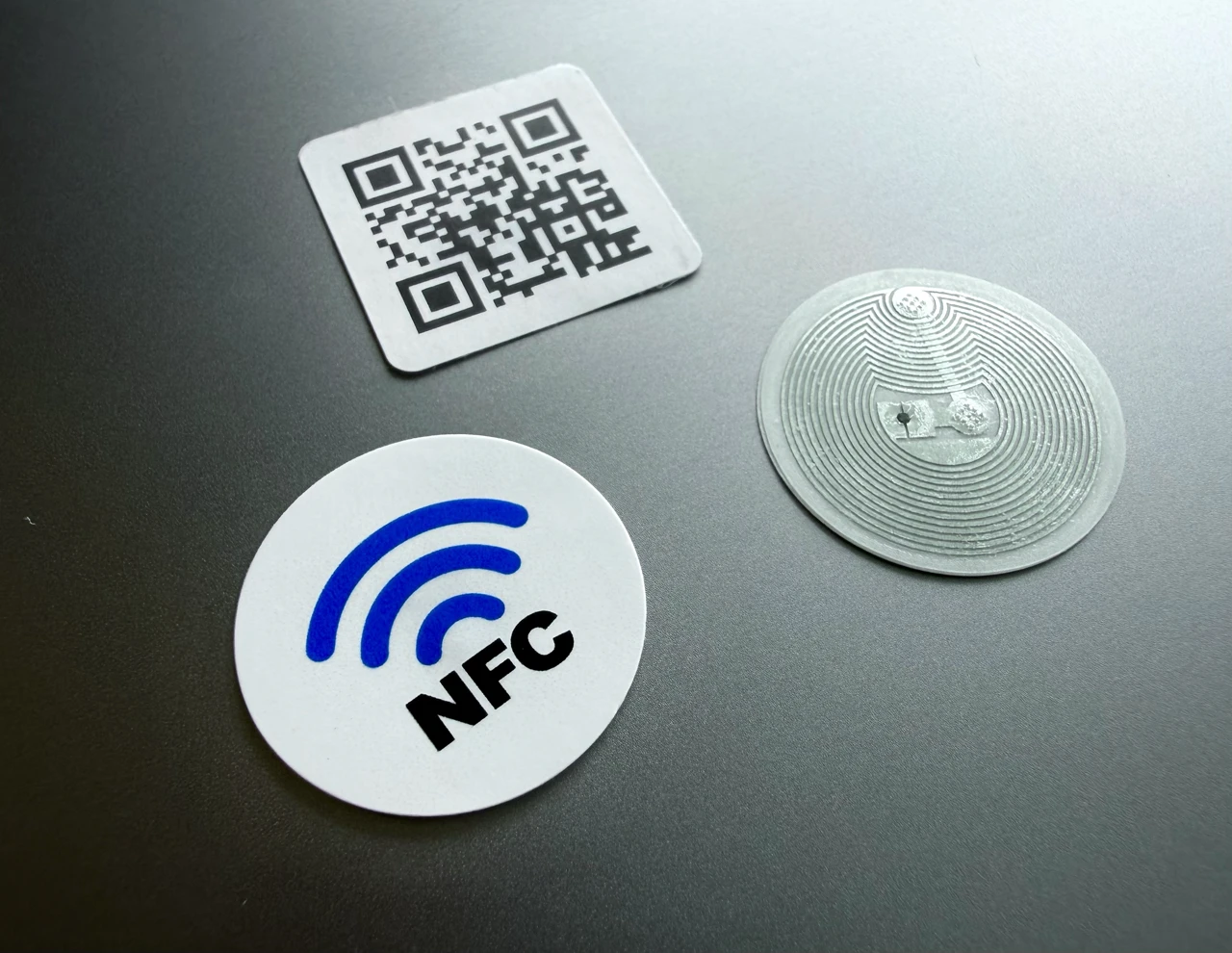
NFCOP's custom printing and encoding service prepares NFC stickers with a chosen destination and includes matching QR Code stickers. Both access methods lead to the same URL. The museum or its website provider remains responsible for the trail pages, maps, translations and any interactive features.
That division gives a smaller museum network a manageable starting point: publish a useful shared guide, then connect it to a few physical signs. If the network later needs personal passports or admission integration, those requirements can be evaluated separately. The August example demonstrates the broader concept without establishing that every trail needs the same system.
Keep the Trail Usable as Information Changes
Test the full journey on visitors' phones before placing signs throughout a venue. Check the NFC prompt, QR scan, page loading and directions links. Keep essential printed information and staff assistance available for visitors who cannot use the digital route.
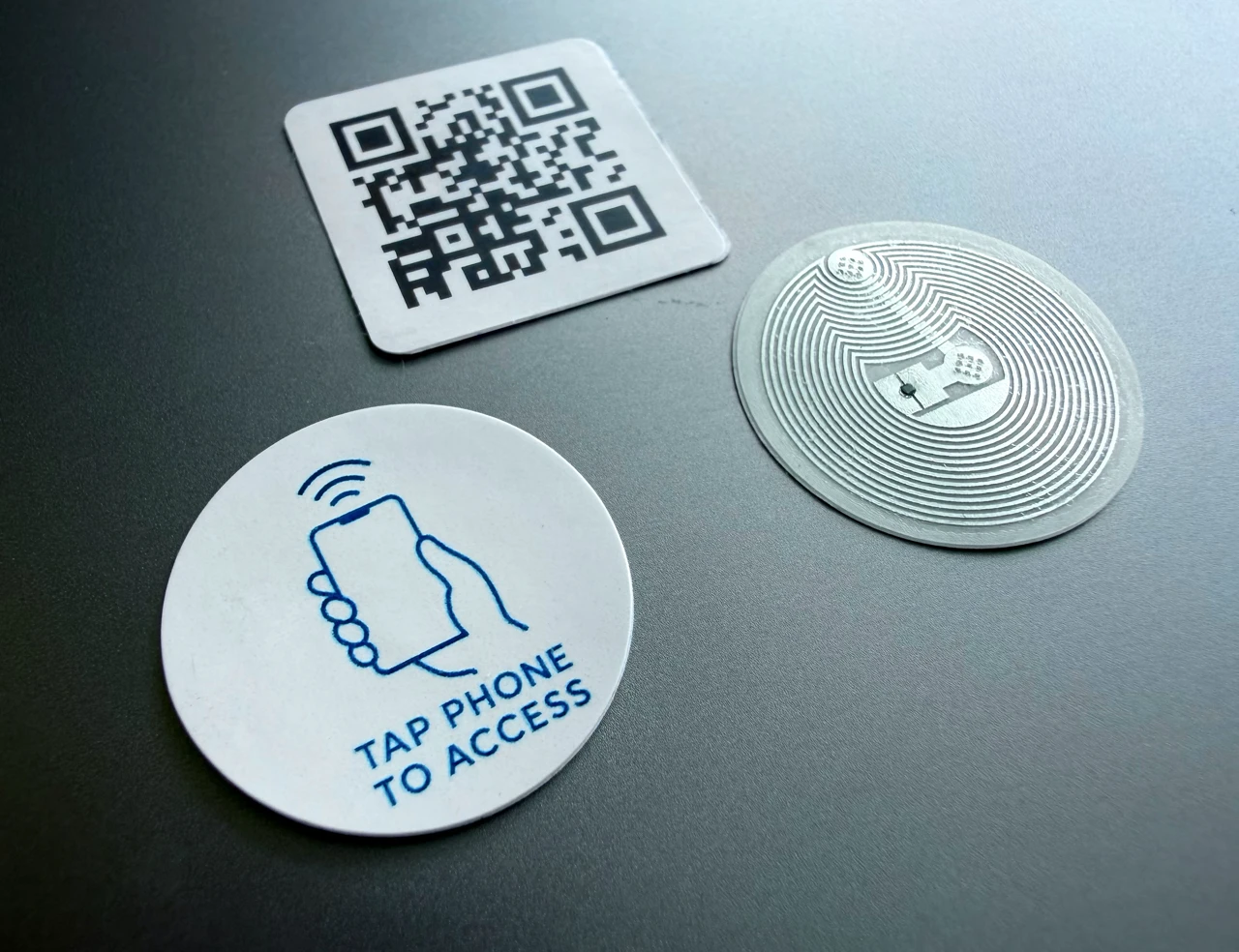
NFCOP's compatibility and placement guidance explains supported-phone considerations and warns that direct placement on metal can interfere with NFC reading. Test the finished sign in its intended position. A successful test on a loose sticker does not establish that the mounted display will work equally well.
Content can be updated while retaining the same webpage address. If the destination address must change, NFCOP's optional Dynamic URLs and link statistics offer another option. Link activity should not be treated as proof that someone entered a museum or completed the trail.
Ho Chi Minh City's Heritage Passport provides a concrete example of museums presenting their collections as a connected experience. For organizations starting with visitor information, the next step is to agree on one useful trail page and test it at one venue. Once that destination is ready, create NFC and QR Code stickers that help visitors find it from the places where they plan their next stop.